The best roofing material for longevity depends on your goals, but in Lancaster, PA, metal and slate roofing consistently last the longest, often 30 to 75+ years. Asphalt shingles offer a lower upfront cost but a shorter lifespan. A true roofing material comparison should weigh durability, maintenance, and installation quality, not just appearance.
If you’ve spent even one full year in Lancaster, you’ve seen how quickly the seasons shift from heavy snow to driving rain to humid heat. Those changes don’t just affect your comfort. They quietly test your roof every single day. That’s why a real roofing material comparison needs to go deeper than color samples or curb appeal.
When homeowners start comparing different roofing materials, it’s natural to focus on how things look. But the truth is, choosing the best roofing materials for your home comes down to how well that system holds up over time. Longevity is what protects your investment, reduces stress, and keeps your home functioning the way it should.
Here’s what we’ll cover:
- The most common types of residential roofing in this area
- A breakdown of roof material lifespan
- How to approach choosing the best roofing materials for your home
- What happens if you choose the wrong system
If you’re weighing your options and want clear, honest guidance rooted in long-term thinking, JMK Roofing can help.
Why Roofing Material Choice Matters in Lancaster, PA
Choosing a roofing material isn’t just about looks because the environment here demands more from your roof than most homeowners expect. In Lancaster and surrounding areas, your roof is constantly expanding, contracting, shedding water, and resisting impact.
You’re dealing with:
- Freeze-thaw cycles that stress materials and seams
- Wind-driven rain that finds weak points in flashing
- Summer humidity that accelerates wear
- Storm systems that can bring hail and strong gusts
All of this directly affects the lifespan of different roofing materials, which is why surface-level decisions often lead to long-term frustration.
Key Terms to Understand
To keep your decision grounded in longevity, it helps to understand a few core ideas.
- Roofing system: This includes everything from underlayment to ventilation. Longevity depends on the full system working together
- Material lifespan: This is an estimate based on proper installation and maintenance, not a guarantee
- Architectural shingles: A more durable version of asphalt designed to last longer than basic options
When you understand these fundamentals, it becomes much easier to evaluate different types of residential roofing systems based on how long they will actually perform, not just how they look on day one.
What to Consider Before Choosing a Roofing Material
If longevity is the goal, then choosing a roofing material becomes less about preference and more about alignment. You’re matching your home, your plans, and your expectations with the right system.
Budget vs Long-Term Value
A lower upfront cost might feel like the safe choice, but if that roof needs to be replaced in 15 years, the long-term cost increases quickly. Longevity shifts the conversation from price to value over time.
Home Structure
Some of the longest-lasting materials, like slate, are also the heaviest. If your home isn’t built to support that weight, modifications may be needed. That’s why longevity decisions must consider structural reality.
Local Requirements
Neighborhood guidelines and building codes can limit your options. These rules don’t just affect appearance. They can influence what materials are practical and allowed.
Maintenance Expectations
Some materials demand more attention to reach their full lifespan. If you’re not planning to maintain a roof regularly, choosing a lower-maintenance option becomes part of protecting longevity.
Installation Timing
In this region, installation quality is tied to timing. Spring through fall provides the best conditions for proper sealing and long-term performance.
Comparing Different Roofing Materials: What Actually Lasts?
A meaningful roofing material comparison focuses on how long each option performs under real conditions, not just ideal ones.
Asphalt Shingles
Lifespan: 15–30 years
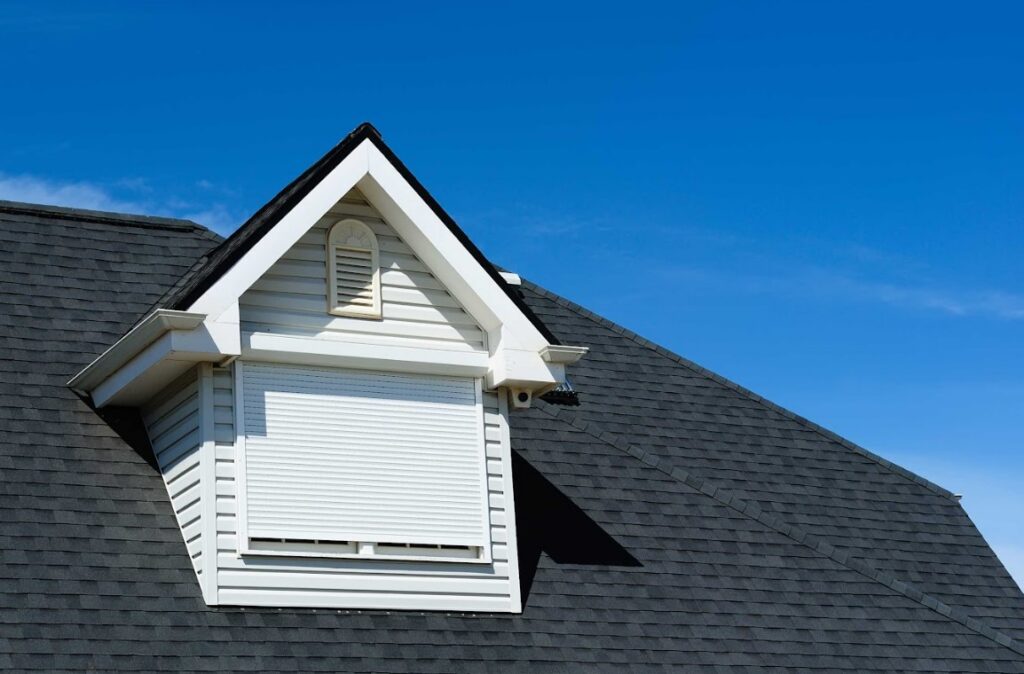
Asphalt shingles remain one of the most common types of residential roofing because they are accessible and cost-effective. But when you look at longevity, they are a shorter-term solution. They can perform well when installed properly, especially architectural shingles, but they will age faster than other systems in this climate.
Metal Roofing
Lifespan: 30–50 years
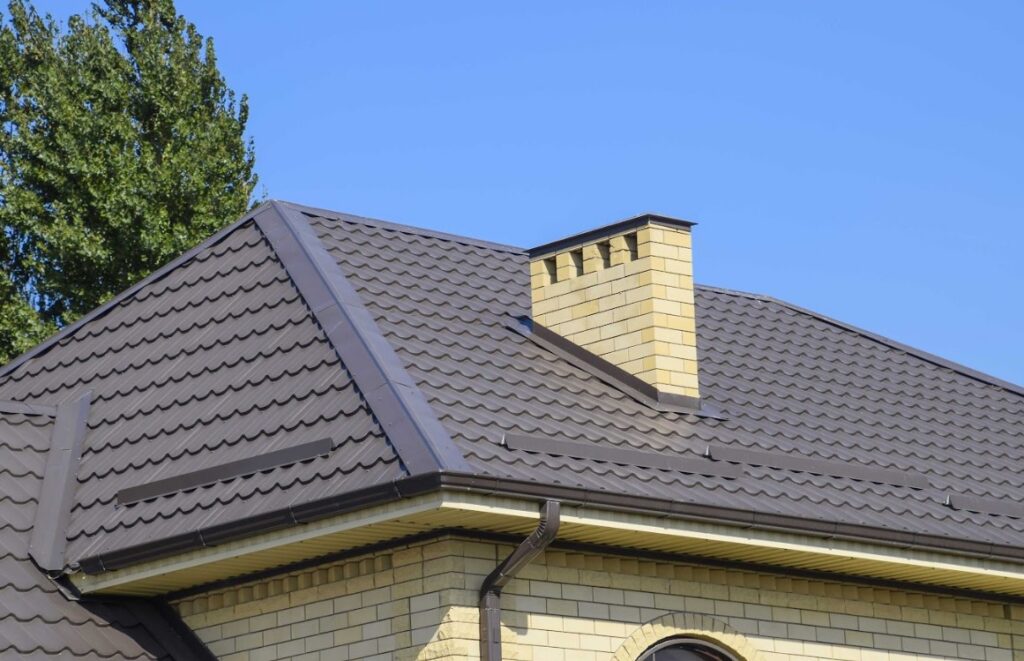
Metal roofing stands out when longevity is the priority. It sheds water efficiently, resists snow buildup, and holds up well against temperature swings. While the upfront cost is higher, the extended lifespan often makes it a more stable long-term investment.
Slate Roofing
Lifespan: 75+ years
Slate is one of the clearest examples of why choosing a roofing material isn’t just about looks. It offers unmatched durability and can last generations. For homeowners planning to stay long-term, it represents stability more than anything else.
Cedar Roofing
Lifespan: 20–40 years
Cedar offers natural insulation and a distinctive look, but longevity depends heavily on maintenance. Without consistent care, moisture can reduce its lifespan.
Synthetic and Composite Roofing
Lifespan: 30–50 years
These materials are designed to replicate the appearance of slate or cedar while improving durability and reducing maintenance. They are becoming a strong middle-ground option for homeowners focused on long-term performance.
How to Choose the Right Roofing Material for Your Home
Choosing the best roofing materials for your home becomes clearer when you connect your decision to how long you expect your roof to serve you.
- If you plan to move within 5 to 10 years, a shorter-lifespan material like asphalt may align with your timeline
- If you plan to stay long-term, materials like metal or synthetic roofing offer more stability
- If your home has historic character, slate may provide both longevity and architectural consistency
- If you want a balance between cost and durability, composite materials often meet that need
This approach keeps the focus where it belongs. Not just on appearance, but on how your roof supports your life over time.
Cost vs Lifespan: What You’re Really Paying For
When you shift your thinking toward longevity, cost becomes a different conversation.
Asphalt shingles may cost less upfront, but they typically require replacement sooner. Metal and slate cost more initially, but their longer lifespans reduce how often you need to reinvest.
In practical terms, a roof that lasts twice as long often results in a lower cost per year of ownership. That’s why understanding the lifespan of different roofing materials is essential when making a financially sound decision.
What Happens When You Choose the Wrong Roofing Material?
When a roofing decision is based primarily on looks, the consequences tend to show up later.
You may experience:
- Premature failure that requires early replacement
- Repeated repair costs that add up over time
- Reduced energy efficiency
- Ongoing frustration with performance
In many cases, these issues are preventable. They happen when longevity is not part of the decision-making process.
Why This Guidance Comes From Real Experience
The idea that roofing decisions should prioritize longevity isn’t theoretical. It comes from years of working on homes and seeing how different systems perform over time.
From early experience in the field to responding to storm damage, the pattern is clear. The roofs that last are the ones built with the right materials and installed with care.
That perspective shapes every recommendation. The goal is not to push a specific product, but to help homeowners avoid the common pitfalls that lead to early failure.
Deep Dive: Longevity, Performance, and Installation Quality
Even the best materials will not reach their full lifespan without proper installation. Longevity depends on how the system is built as much as what it’s made of.
What Impacts Roof Lifespan Most?
- Installation quality and attention to detail
- Ventilation that prevents moisture buildup
- Exposure to weather over time
- Material grade and manufacturer standards
A properly installed system can extend lifespan significantly, while poor workmanship can shorten it dramatically.
Pros and Cons Overview
Asphalt Shingles
- Pros: Accessible, widely used
- Cons: Shorter lifespan
Metal Roofing
- Pros: Durable, efficient
- Cons: Higher initial cost
Slate
- Pros: Exceptional longevity
- Cons: Weight and cost considerations
Synthetic Materials
- Pros: Durable and versatile
- Cons: Quality varies by product
How JMK Roofing Approaches Longevity
- Certified installation using trusted manufacturers
- Clear explanation of long-term warranty options
- 10-year workmanship warranty for added confidence
- Recommendations based on how materials perform locally
The focus stays consistent. Build roofing systems that last, not just ones that look good at installation.
How Long Do Roofing Materials Last in Lancaster, PA? (Common Questions Answered)
When you’re comparing options, most questions come back to one thing. How long will this roof actually last and what affects that outcome? Here are the most common questions homeowners ask when focusing on longevity.
How long does a typical roof last in this area?
A typical roof in this area lasts between 15 and 30 years for asphalt, while metal can last 30 to 50 years and slate even longer. The actual lifespan depends on both the material you choose and the quality of installation, especially with changing seasonal conditions.
What is the best roofing material for long-term value?
The best roofing material for long-term value is usually metal or synthetic roofing because it balances lifespan and maintenance. These materials cost more upfront but often reduce total ownership costs over time.
Are more expensive roofing materials worth it?
More expensive roofing materials are worth it when you consider longevity and reduced repairs. Paying more upfront often means fewer replacements and less maintenance over the life of your home.
Does installation quality really matter?
Installation quality matters significantly because even the best materials can fail early if installed incorrectly. Proper installation is one of the biggest factors in achieving the full lifespan of any roofing system.
When is the best time to replace a roof?
The best time to replace a roof is typically between March and October when weather conditions support proper installation. This helps ensure materials seal correctly and perform as expected long-term.
Can I switch roofing materials?
You can switch roofing materials, but your home must be evaluated to ensure it can support the new system. Structural considerations are especially important for heavier, longer-lasting materials like slate.
How do I know what’s right for my home?
The right roofing material for your home depends on your budget, how long you plan to stay, and the level of maintenance you’re comfortable with. A professional estimate helps align those factors with a system designed for longevity.
Making a Smarter Roofing Decision
Choosing a roofing material isn’t just about looks. It’s about how well that decision holds up over time.
When you focus on longevity, the path becomes clearer. You’re not just selecting a material. You’re choosing how often you’ll need repairs, how long your investment will last, and how confidently your home will perform through every season.
JMK Roofing brings over a decade of hands-on experience, certified installation practices, and a commitment to doing the work the right way. That means helping you choose a roofing system that truly supports your home for the long run.
If you’re ready to protect your home with a roof that’s built to last and want guidance you can trust, schedule your estimate with JMK Roofing today.