If you’ve ever stepped into your attic during a humid Lancaster, PA summer and felt overwhelming heat or noticed frost forming on the underside of your roof deck in winter, you’ve already witnessed the early signs of roof ventilation issues.
Most homeowners don’t connect those moments to long-term damage. What looks harmless today can quietly become roof heat moisture damage tomorrow.
We’ve met many families across Lancaster, PA who did everything responsibly. They maintained their homes. They invested in quality shingles. They planned for long-term value. And still, their roofs failed earlier than expected.
The common thread was not poor materials.
It was poor roof ventilation.
In this guide, we’ll walk through:
- How roof ventilation works and why it matters here
- How attic ventilation problems develop over time
- The early warning signs most homeowners miss
- How we diagnose roof ventilation issues correctly
- When ventilation fixes the problem and when it does not
- Why airflow affects energy efficiency and long-term costs
If you’re unsure whether your roof is performing the way it should, JMK Roofing can help.
Why Roof Ventilation Matters in Lancaster County
Living in Lancaster, PA means your home experiences full seasonal contrast. Snow, ice, humidity, summer heat, and sudden temperature swings all impact your roof.
Roof ventilation exists to create balance. Intake vents allow cool air into the attic. Exhaust vents release heat and moisture. When that system is disrupted, attic ventilation problems begin.
Let’s define what that means in practical terms:
- Poor roof ventilation occurs when airflow is blocked, imbalanced, or improperly installed.
- Attic ventilation problems happen when intake and exhaust are not working together.
- Roof heat moisture damage develops when trapped heat and condensation begin deteriorating the roof deck and insulation.
In winter, warm air from your living space rises into the attic. Without adequate ventilation, condensation forms beneath the roof deck. In summer, attic temperatures can exceed 140°F when airflow is restricted.
Over time, these conditions lead to roof ventilation issues that reduce shingle lifespan, compromise structural integrity, and drive up energy costs.
We explore the broader impact of system failures in our article on Why Most Roofs Fail Earlier Than Expected, where we break down how small overlooked details shorten a roof’s lifespan.
Before You Fix It: A Practical, System-Based Approach
When homeowners discover roof ventilation issues, the natural instinct is to replace shingles. Ventilation is rarely a surface-level problem.
Before making any decisions, consider the full system.
Inspect Before Replacing
If you’re seeing premature wear, attic ventilation problems may be the root cause. Replacing materials without correcting airflow often repeats the same failure.
Budget With the Long Term in Mind
Ventilation upgrades are typically far less expensive than structural repair. Addressing poor roof ventilation early can prevent roof heat moisture damage that requires deck replacement later.
Confirm Code Compliance
Pennsylvania follows ventilation ratio standards such as 1:150 or 1:300. Ensuring compliance protects both your investment and manufacturer warranty eligibility.
Evaluate Insulation
Ventilation and insulation work together. If insulation is saturated or compressed due to moisture, its performance declines significantly.
A roof is not just shingles. It is a system.
How Poor Roof Ventilation Damages Your Roof Step by Step
Understanding how attic ventilation problems evolve helps homeowners make informed decisions.
1. Heat Buildup Weakens Shingles
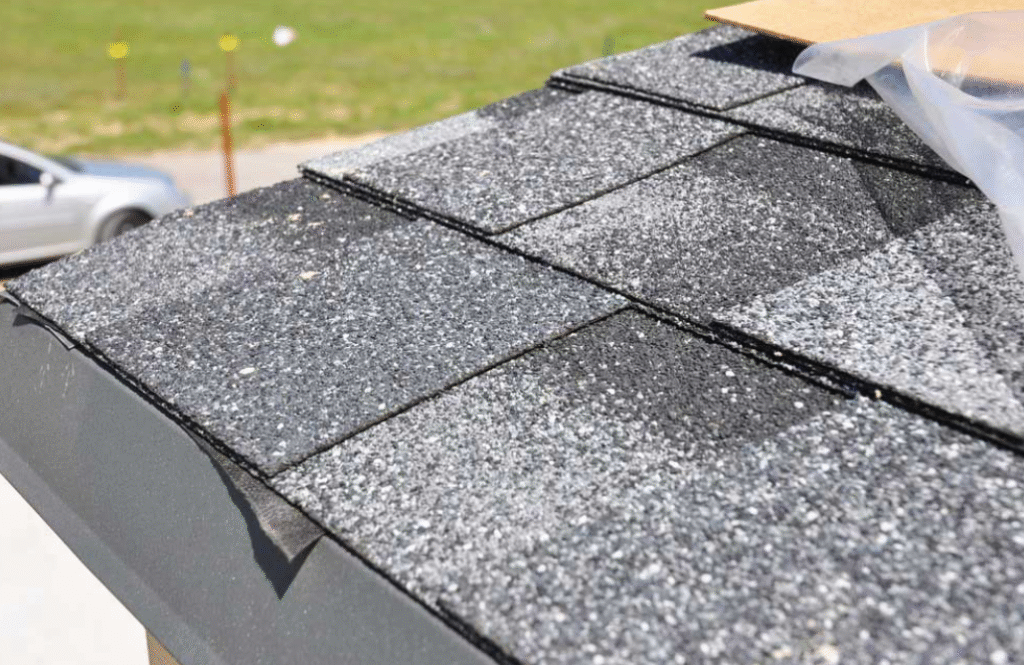
Excess attic heat from poor roof ventilation accelerates shingle aging. Over time, shingles may curl, crack, or lose granules prematurely.
Improper ventilation can reduce shingle lifespan by 20 to 25 percent.
2. Condensation Leads to Roof Heat Moisture Damage
During colder months in Lancaster, PA, warm indoor air meets cold roof decking. Condensation forms. Mold can begin developing within 24 to 48 hours of sustained moisture exposure.
What starts as trapped humidity becomes:
- Warped decking
- Rusted fasteners
- Insulation breakdown
- Framing deterioration
Because roof heat moisture damage happens out of sight, it often progresses quietly.
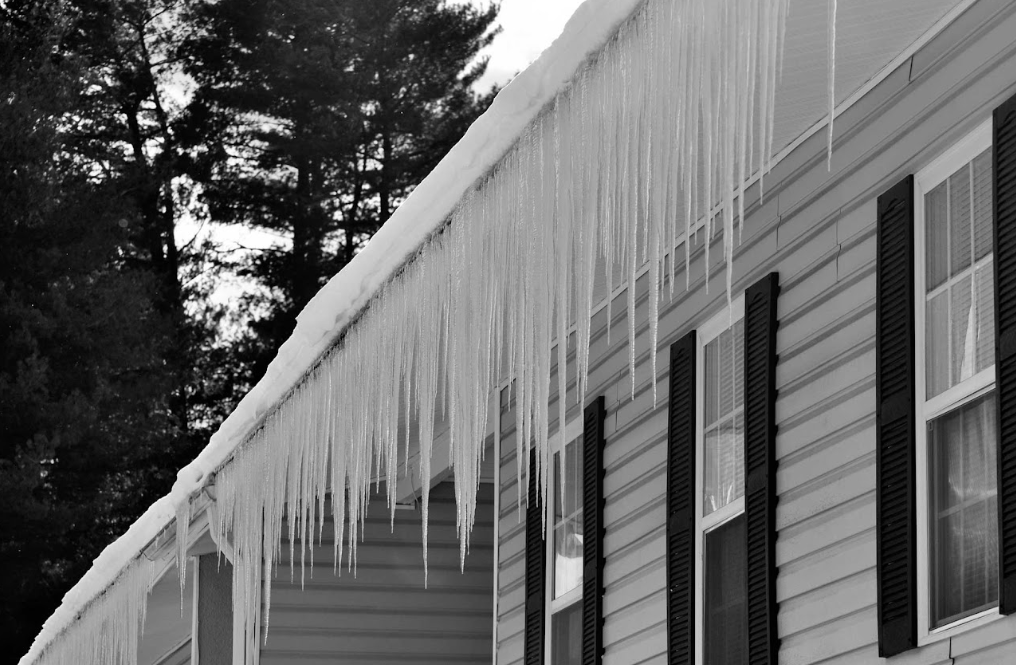
3. Ice Dams Signal Deeper Roof Ventilation Issues
Ice dams are not just about snow. They are often symptoms of attic ventilation problems.
When heat escapes unevenly, snow melts inconsistently and refreezes at the eaves. Water backs up under shingles, leading to interior leaks.
4. Warranty Protection Requires Proper Ventilation
Manufacturers such as Owens Corning and GAF require proper ventilation to maintain warranty coverage.
If poor roof ventilation is documented, warranty claims may be denied.
Early Warning Signs vs. Long-Term Structural Damage
Most serious roof ventilation issues begin subtly.
| Early Warning Sign | Long-Term Structural Impact |
| Excessive attic heat | Premature shingle aging |
| Winter frost buildup | Deck rot and mold |
| Musty attic odor | Insulation saturation |
| Ice dams | Interior water damage |
| Higher utility bills | Reduced insulation efficiency |
Recognizing these signs early helps prevent expensive structural repairs.
How We Diagnose Roof Ventilation Issues
Solving attic ventilation problems requires more than adding extra vents.
Our process includes:
- Calculating intake-to-exhaust ratios using Pennsylvania code standards
- Inspecting soffit vents for blockages
- Evaluating ridge vent installation
- Measuring insulation depth targeting R-49 for this region
- Checking decking for moisture staining
- Reviewing historical ice dam patterns
By assessing the entire system, we address the cause instead of just the symptom.
The Energy Efficiency Connection
Roof ventilation issues do not just shorten roof lifespan. They affect your energy performance.
When attic heat becomes trapped:
- Attic temperatures can exceed 140°F
- HVAC systems work harder
- Utility costs increase
Proper ventilation can reduce attic temperatures by 20 to 30 degrees during peak summer.
In winter, moisture saturation can reduce insulation effectiveness by up to 40 percent. That means heating systems run longer and work harder.
Correcting poor roof ventilation supports:
- Lower energy bills
- Better indoor comfort
- Preserved insulation performance
- Reduced HVAC strain
We explore this relationship further in Energy-Efficient Roofing: Reduce Heating Costs This Winter with Practical Roofing Upgrades, where we connect airflow, insulation, and long-term cost savings.
Efficiency is not just about monthly bills. It is about protecting your home’s long-term performance.
When Ventilation Alone Is Not Enough
While correcting attic ventilation problems solves many issues, there are situations where deeper repairs are necessary.
Ventilation upgrades may not fully resolve damage if:
- Decking is already rotted
- Mold growth is extensive
- Flashing or underlayment was improperly installed
- The roofing system is nearing the end of its service life
In those cases, structural repair or system redesign may be required.
We believe responsible recommendations matter more than quick fixes. Every home deserves a thoughtful evaluation.
Roof Ventilation & Attic Airflow Questions Lancaster County Homeowners Ask Most
Because poor roof ventilation and attic ventilation problems often go unnoticed until damage appears, many homeowners have similar questions. Below are the most common concerns we hear in Lancaster, PA, along with straightforward answers to help you make informed decisions.
What are common signs of poor roof ventilation?
Common signs of poor roof ventilation include excessive attic heat, frost buildup in winter, musty odors, ice dams, and premature shingle wear. These symptoms often point to underlying roof ventilation issues that, if left unresolved, can lead to roof heat moisture damage.
Can attic ventilation problems really shorten roof lifespan?
Yes, attic ventilation problems can shorten roof lifespan by several years. When airflow is unbalanced, trapped heat and moisture accelerate shingle aging and structural deterioration, especially in the seasonal climate of Lancaster, PA.
Does roof heat moisture damage always mean there is a leak?
No, roof heat moisture damage does not always mean there is a leak. In many cases, the damage develops from condensation caused by poor roof ventilation rather than direct water intrusion from above.
How often should roof ventilation be inspected in Lancaster, PA?
Roof ventilation should be inspected at least once per year in Lancaster, PA. Annual inspections, along with post-storm evaluations, help identify attic ventilation problems before they become costly structural repairs.
Can roof ventilation issues be corrected without replacing the entire roof?
Yes, many roof ventilation issues can be corrected without full roof replacement. Depending on the condition of the decking and shingles, adjustments to intake and exhaust systems can restore proper airflow.
Does fixing poor roof ventilation help lower energy bills?
Yes, fixing poor roof ventilation can help lower energy bills. Proper airflow reduces attic temperatures in summer and preserves insulation performance in winter, improving overall energy efficiency.
A Roof That Works for the Long Term
Poor roof ventilation rarely announces itself with a dramatic failure. Instead, it quietly shortens your roof’s lifespan through attic ventilation problems and gradual roof heat moisture damage.
With the right evaluation and a system-based approach, these problems are preventable.
Since 2012, JMK Roofing has served homeowners in Lancaster, PA with integrity, clear communication, and long-term thinking. We believe roofing decisions should align with your financial goals and your values, not pressure or shortcuts.
If you would like clarity about how your roof ventilation system is performing, schedule your free inspection today.