In Chester County, winter weather does more than inconvenience—it tests the strength, design, and longevity of your roof. Snow might seem harmless as it settles silently overhead, but when it starts to melt and refreeze, real problems begin.
Snow on roofing materials impacts every roof type differently. Some surfaces shed snow naturally. Others trap moisture or crack under freeze–thaw pressure. If you’re weighing roofing options or wondering how your current roof will hold up this winter, you’re in the right place.
In this blog, you’ll learn:
- How snow and ice affect different roofing materials
- Which roof types are most prone to winter snow and ice damage
- How to prepare your roof for cold weather
- Why choosing the right material—and installer—makes all the difference
- Where to explore in-depth pricing and material breakdowns
Need a winter-readiness roof assessment? JMK Roofing can help.
Why Winter Roof Performance Matters in Chester County
Pennsylvania winters are unpredictable. One day it’s 40 degrees and raining; the next, it’s 20 degrees with freezing sleet. These sudden shifts cause snow and ice to melt, refreeze, and repeat—a destructive cycle that puts pressure on your roofing system.
Here’s how winter impacts your roof:
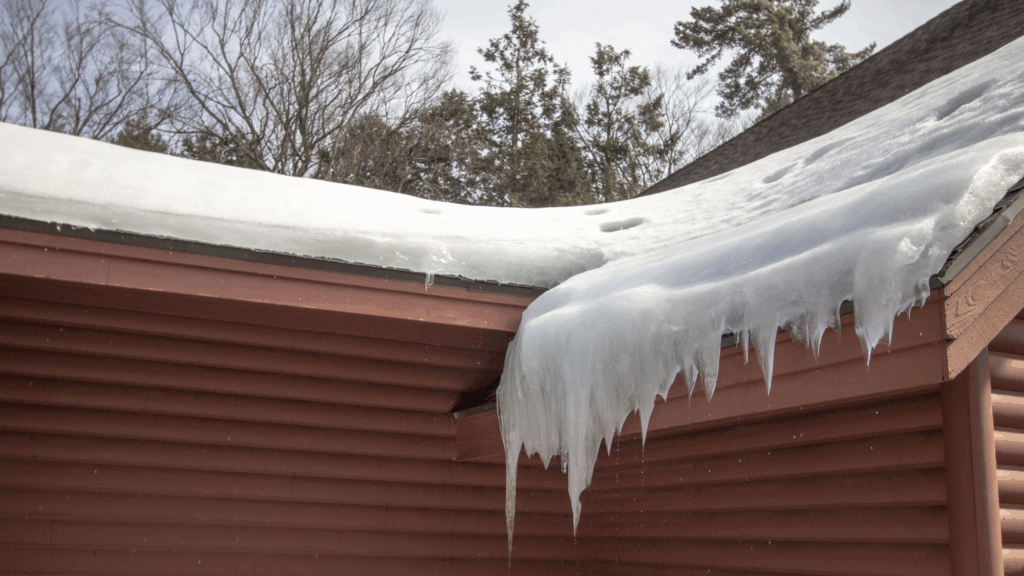
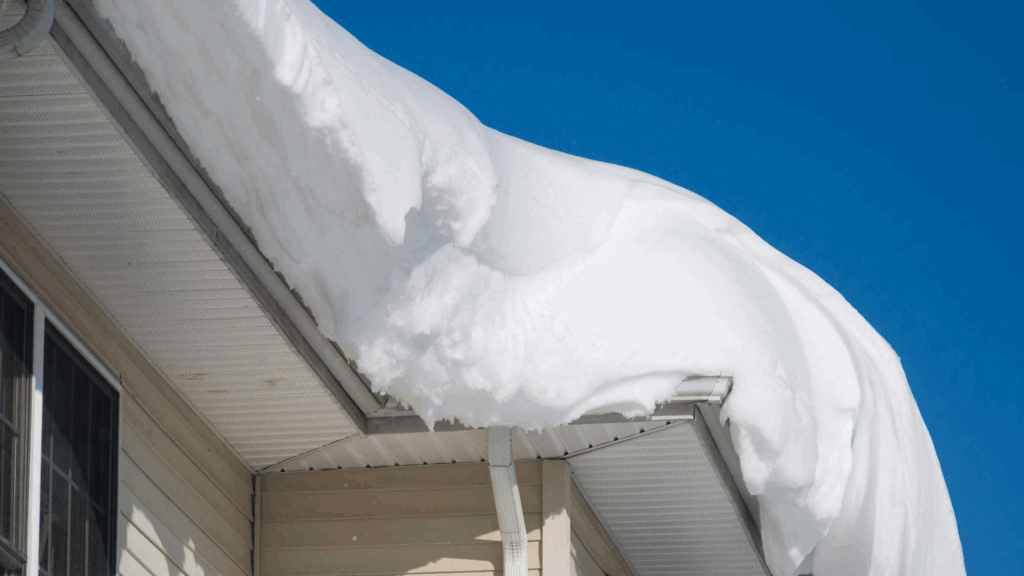
- Ice dams form when melted snow refreezes at the roof’s edge, backing up water under shingles
- Freeze–thaw cycles cause expansion and contraction, leading to cracks or material failure
- Snow loads put extra strain on framing, especially for heavier materials
- Moisture intrusion leads to long-term deterioration and costly repairs
Different roofing materials respond in different ways, and that’s what we’re here to break down.
Solution Prep: What to Know Before Replacing or Repairing Your Roof
Before deciding on a winter-resistant roofing system, consider these key factors:
- Roof material: Asphalt, metal, slate, cedar, or synthetic each perform differently
- Age of your roof: Older materials may be more susceptible to cracking or leaks
- Ventilation and insulation: These prevent attic heat from melting snow
- Snow load requirements: Not all homes are built to handle heavy roofing + snow
- Cost and warranties: JMK Roofing offers 10-year workmanship warranties and up to 50-year manufacturer warranties
How Snow and Ice Affect Common Roofing Materials
Let’s compare how five major roof types hold up in Chester County winters—from worst to best when it comes to snow, ice, and cold weather resilience.
Asphalt Shingles
Most common—and most vulnerable if not installed or insulated properly.
Winter Risks:
- Ice dams form when heat escapes from the attic, melting snow unevenly
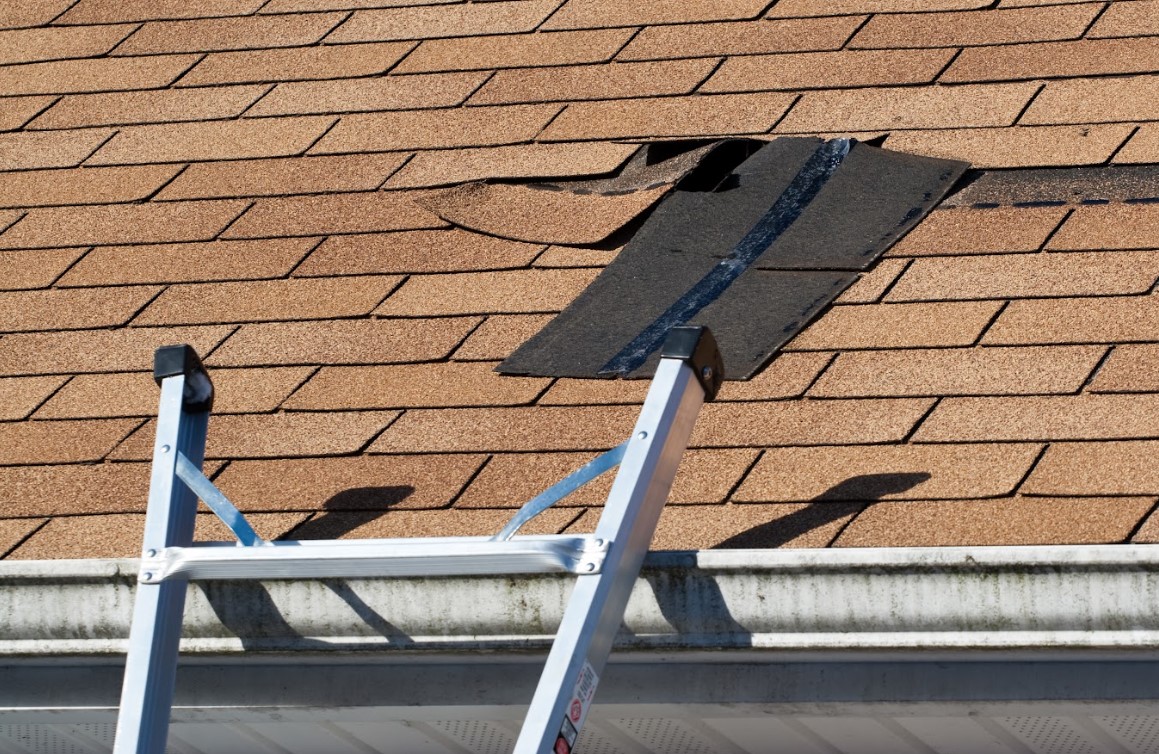
- Shingles can curl, crack, or lose granules from freeze–thaw cycles
- Improper installation leads to seal failure and moisture penetration
How to Protect It:
- Use high-quality shingles (like GAF Timberline or Owens Corning Duration)
- Add ice & water shield at eaves
- Ensure attic is properly ventilated and insulated
Want to compare winter performance and cost? Read: Roof Replacement Cost in Lancaster
Metal Roofing
One of the best options for snow-shedding and winter durability.
Winter Benefits:
- Snow and ice slide off naturally, reducing buildup
- Material is water-resistant and doesn’t crack under pressure
- Lifespan of 30–50+ years, depending on type
Watch for:
- Sudden snow slides that can damage gutters
- Expansion/contraction during temp shifts (requires expert installation)
Curious about installation prices and types? Explore: Metal Roof Cost in Lancaster
Cedar Shake & Shingle Roofing
Visually striking but winter-sensitive without ongoing maintenance.
Winter Challenges:
- Wood absorbs moisture, swells, and cracks in freeze–thaw cycles
- Risk of moss, rot, or mold in shaded or damp areas
- Requires regular treatment and inspections
Solutions:
- Choose high-grade shakes (like Blue Label)
- Install with proper ventilation and spacing
- Or consider synthetic cedar from DaVinci or F-Wave
We break it all down in our full guide: Cedar Roof Cost in Lancaster, PA
Slate Roofing
Extremely durable—when properly supported—but winter comes with trade-offs.
Winter Performance:
- Natural slate is dense and low-absorption, resisting most freeze damage
- But it’s very heavy, and combined with snow, can strain older structures
- Freeze–thaw can still cause cracks between tiles over decades
Synthetic Slate Option:
- Lightweight, durable, and engineered to handle cold climates
- No need for structural reinforcement in most homes
- Often under $2,000 per square, versus $2,500+ for natural
Considering slate for your home? Compare costs in: Slate Roof Cost in Lancaster
Synthetic Roofing (Slate, Cedar, Tile)
Top performer in winter—and ideal for homeowners who want durability without the upkeep.
Why It Excels:
- Engineered to resist cracking, moisture absorption, and impact
- Lightweight and flexible in extreme weather
- Long lifespan (40–50+ years) with low maintenance
Popular Products:
- F-Wave synthetic shingles
- DaVinci synthetic slate and cedar
- Daltile porcelain roofing tile
Want to know what it costs and how it compares? Read: Synthetic Tile Roof Cost in Lancaster
Deep Dive: What Makes a Roof Winter-Ready in Pennsylvania
Beyond material choice, real winter performance depends on how the system is built:
Installation Method
Metal needs correct fastening and snow retention. Cedar needs proper ventilation. Asphalt requires full ice and water barrier. JMK Roofing installs every system according to both manufacturer spec and local code.
Ventilation & Insulation
These reduce heat buildup in the attic—one of the main causes of ice dams.
Underlayment & Flashing
Materials like ice shield, valley flashing, and drip edge protection help keep water out even when snow piles up.
Structure & Weight
Slate and cedar are heavier materials. Combined with snow, they can exceed your roof’s design load. We evaluate this before every install or replacement.