Severe storms are a regular part of life in Lancaster and surrounding Pennsylvania communities. Thunderstorms roll through with strong winds. Hail can arrive suddenly during summer weather systems. Winter brings snow, ice, and temperature swings that place stress on roofing materials.
While storms may pass quickly, their effects on a roof can last much longer.
Storm damage occurs when wind, hail, debris, or heavy rainfall compromise the protective layers of a roofing system. In southeastern Pennsylvania, that often means lifted shingles, granule loss, damaged flashing, or small openings where water can slowly begin to enter the home.
And one of the challenges homeowners face is that storm damage isn’t always obvious right away.
In other words, storm damage roofing isn’t just about what happens during the storm. It’s about what happens to your roof afterward. Understanding how severe weather affects shingles, flashing, and roof structure helps homeowners respond early, protect their homes, and avoid larger repairs down the road.
In this guide, we’ll walk through:
- How severe weather affects roofing materials
- The signs your roof may have been damaged during a storm
- What homeowners should do after severe weather passes
- How roofing materials perform during storms
- How inspections and timely repairs protect your home long-term
At JMK Roofing, we believe homeowners deserve clear information so they can make thoughtful decisions that protect their homes and their finances.
Understanding Storm Damage and Why It Matters in Pennsylvania
To understand what happens to a roof during severe weather, it helps to start with the environment roofs in Pennsylvania face throughout the year.
Spring and summer storms often bring strong winds and hail. Fall can bring extended rain and fluctuating temperatures. Winter adds snow, ice, and freeze–thaw cycles that expand and contract roofing materials.
Each of these conditions places stress on a roof in different ways.
Asphalt shingles remain the most common roofing material used on homes in this region. They are reliable and affordable, but they are still vulnerable to wind uplift and hail impacts.
When storms weaken shingles or flashing, the roof’s ability to shed water properly begins to decline. Over time, even small areas of damage can allow moisture to reach the underlying roof deck.
These weather patterns don’t damage a roof all at once. Instead, storms gradually weaken materials, loosen protective seals, and create small vulnerabilities that worsen over time. Understanding this process helps homeowners recognize why storm damage inspections matter after severe weather.
Storms That Commonly Damage Roofs in Pennsylvania
Not all storms affect roofing systems in the same way. Different types of severe weather create different types of storm damage.
Understanding these patterns helps explain what really happens to your roof during severe weather.
Hail Storms
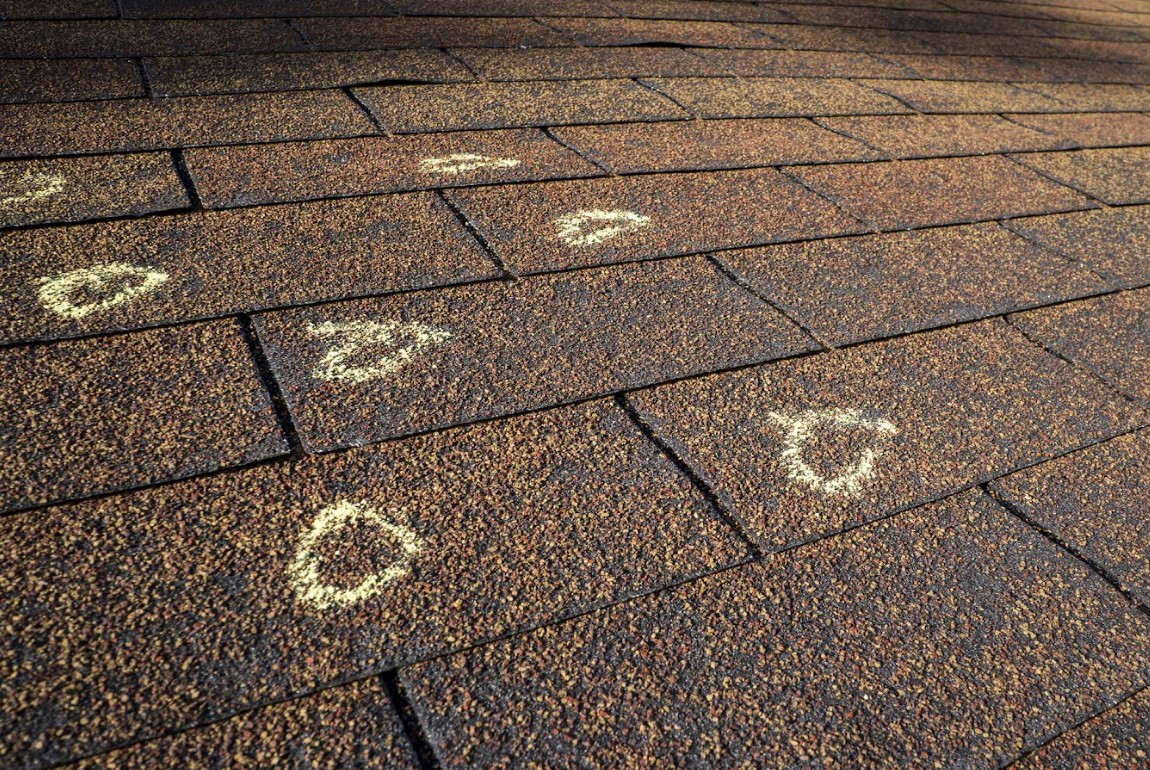
Hailstones strike roofs with significant force. Even small hail can remove the protective granules from asphalt shingles.
Those granules help shield shingles from sunlight and weather exposure. When they are knocked away, shingles become more vulnerable to future storms and begin to deteriorate more quickly.
High Wind Thunderstorms
Strong winds can lift shingles and break the adhesive seal that keeps them secure.
Once that seal breaks, shingles may still appear normal but are more likely to lift again during the next storm.
Snow and Ice
Heavy snow adds weight to roofing systems. As snow melts and refreezes, ice dams can form along the roof edge.
These ice barriers prevent proper drainage and can force water beneath roofing materials.
Remnants of Tropical Storms
Occasionally, the remnants of coastal hurricanes move inland and bring extended periods of wind and rain to Pennsylvania.
These systems may not seem severe at first, but they often expose weaknesses in roofing systems that have already experienced wear.
Once these weather events occur, the next step for homeowners is knowing how to recognize the signs that their roof may have been affected.
Signs Your Roof May Have Storm Damage
Storm damage doesn’t always appear dramatic. Sometimes the warning signs are subtle and develop slowly after a storm.
Recognizing these early signals can help homeowners address problems before they grow larger.
Exterior Signs to Watch For
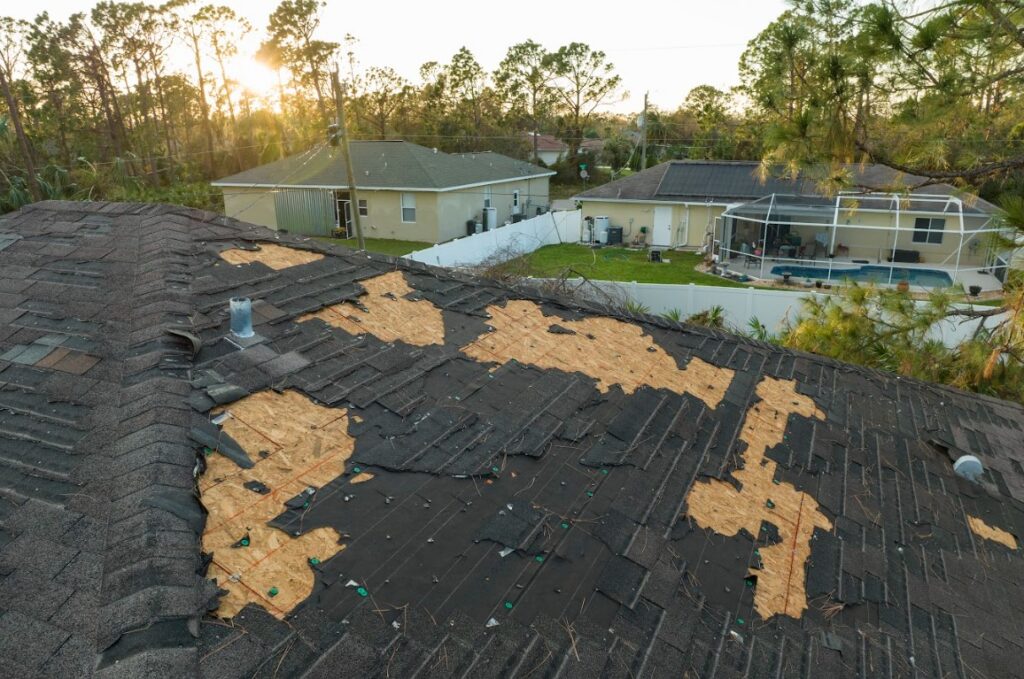
After severe weather, you may notice:
- Missing shingles
- Curled or lifted shingles
- Granules collecting in gutters
- Dented vents or flashing
- Broken gutters
- Debris resting on the roof
Even small areas of damage can allow water to enter the home.
Interior Signs That Something May Be Wrong
Storm damage can also appear inside your home.
Pay attention to:
- Water stains on ceilings
- Damp attic insulation
- Musty odors in attic spaces
- Active dripping during rainstorms
These warning signs are often the first visible clues of storm damage roofing. They show how severe weather gradually weakens the materials protecting your home.
However, visible damage is only part of the picture.
Hidden Storm Damage Homeowners Often Miss
One of the most challenging aspects of storm damage roofing is that many problems are not immediately visible.
A roof may appear intact from the ground while hidden damage exists beneath the surface.
Examples include:
- Broken shingle seals caused by wind uplift
- Hail bruising that weakens shingles internally
- Small cracks that expand over time
- Shifted flashing around vents or chimneys
- Minor underlayment exposure beneath lifted shingles
These issues may not cause immediate leaks, but they often shorten the life of a roofing system if they are left unaddressed.
This is why storm damage inspections are so important after severe weather. Understanding what happened to your roof during the storm allows small issues to be corrected before they turn into major repairs.
What Homeowners Can Do After Severe Weather
Once a storm passes, homeowners often wonder what steps they should take next.
The goal is not simply to look for obvious damage, but to understand how the storm may have affected the roof’s ability to protect the home.
A few practical steps can help.
Start With a Ground-Level Inspection
Walk around your property and look for missing shingles, debris on the roof, or damaged gutters.
Document What You See
Photographs of visible roof storm damage can help if you need to file an insurance claim later.
Check the Attic
Look for damp insulation or water stains, which may indicate early signs of water intrusion.
Schedule a Professional Inspection
Many types of storm damage cannot be seen from the ground. A professional inspection helps determine whether the roof was affected during the storm.
Prevent Additional Water Intrusion
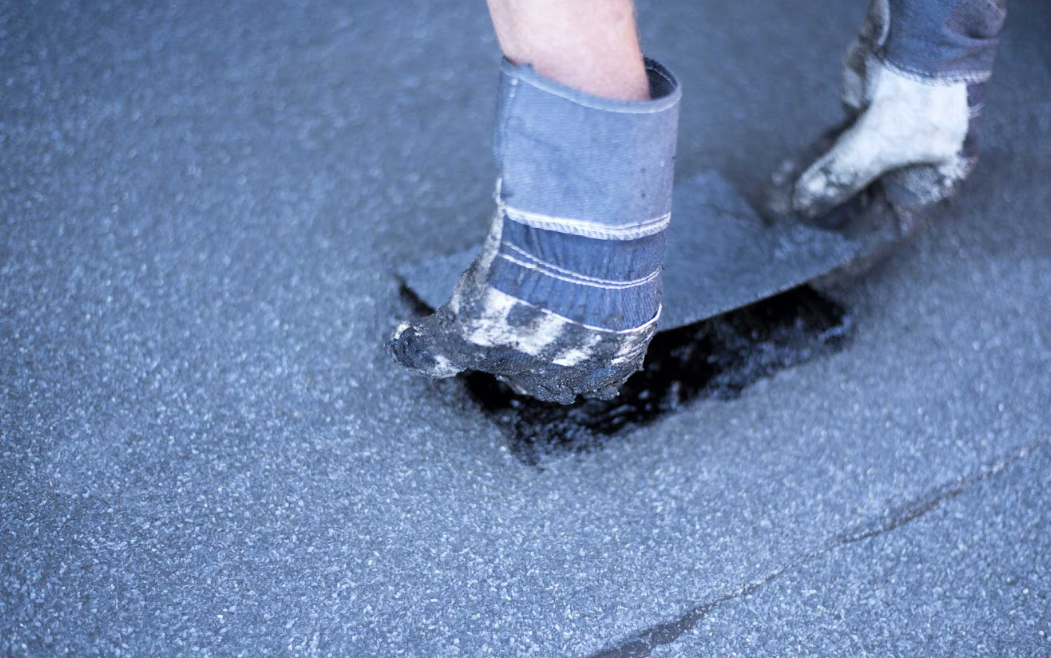
If severe damage exists, temporary protection like roof tarping may prevent further damage until permanent repairs are made.
These steps help homeowners move from uncertainty to clarity about what the storm may have done to their roof.
What a Professional Storm Damage Roof Inspection Includes
When a roofing contractor evaluates storm damage, the goal is to understand exactly how the storm affected the roofing system.
A thorough inspection typically includes:
- Checking shingles for wind or hail damage
- Inspecting flashing around vents and chimneys
- Examining gutters and drainage systems
- Inspecting attic ventilation and moisture levels
- Documenting damage for insurance purposes
Each step helps reveal what actually happened to the roof during severe weather and whether repairs are necessary to restore full protection.
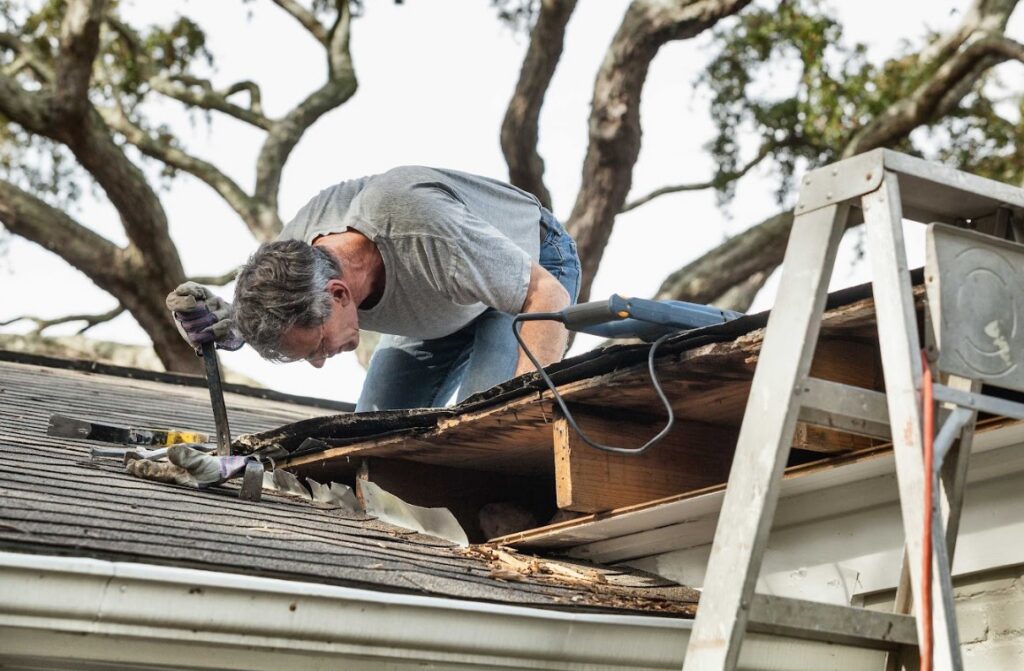
How Storm Damage Gets Worse Over Time
One of the most important things homeowners should understand is that storm damage rarely stays the same.
Instead, it often develops gradually.
Immediately After the Storm
Shingles may loosen or lift due to wind.
Weeks Later
Granules begin washing away from damaged shingles.
Months Later
Water intrusion begins during heavy rainfall.
Long-Term
Roof decking may begin to rot, leading to more significant repairs.
Understanding this timeline helps explain why addressing storm damage early can protect both the home and the homeowner’s budget.
Preparing to Address Storm Damage
Once damage is identified, homeowners must decide how to move forward.
Repairing or replacing a roof is an important decision that affects safety, finances, and long-term home value.
Understanding Insurance Coverage
Many homeowner insurance policies cover damage caused by wind or hail. Proper documentation and professional inspections help support claims.
Budget Awareness
Roofing costs vary depending on materials and repair scope.
Typical regional estimates include:
- Roof repairs averaging around $550
- Asphalt roof replacement around $500 per square
- Standing seam metal roofing around $1500 per square
Understanding these ranges helps homeowners plan responsibly after severe weather.
Choosing Durable Materials
Because storms are a major cause of roofing damage in Pennsylvania, the material installed on a home plays an important role in how well the roof withstands future weather events.
Deep Dive: Roofing Materials and Storm Resistance
The durability of your roofing material directly affects how well your home handles severe weather. Different roofing systems respond differently to wind, hail, heavy rain, and temperature changes.
| Roofing Material | Advantages During Severe Weather | Potential Limitations |
| Asphalt Shingles | Affordable and widely used. Available in many styles and colors. Impact-resistant shingle options provide better protection against hail. | Granule loss can occur during hailstorms. Typically has a shorter lifespan than metal roofing. Can be vulnerable to wind uplift if improperly installed. |
| Metal Roofing | Strong resistance to high winds. Durable against hail impacts. Long lifespan, often lasting 30 to 50 years. | Higher upfront investment compared to asphalt shingles. Large hail may cause cosmetic denting in some metal systems. |
| Slate and Synthetic Roofing | Extremely durable roofing material. Long lifespan with strong resistance to severe weather. Synthetic options offer added impact resistance. | Higher installation costs. Natural slate requires stronger structural support due to its weight. |
Regardless of the material chosen, proper installation plays a major role in storm resistance. Flashing, underlayment, ventilation, and correct fastening techniques all contribute to how well a roof withstands severe weather over time.
A Real Example of Storm Damage
After a strong windstorm last summer, a homeowner in Lancaster noticed only a few shingles missing from the edge of their roof.
During inspection, we discovered that wind had lifted several sections of shingles and broken their adhesive seals.
While the roof still looked mostly intact, those loose shingles would have allowed water intrusion during future storms.
This is a good example of what storm damage roofing often looks like in real life. Severe weather may not destroy a roof immediately, but it can weaken the system in ways that cause problems later.
Because the issue was caught early, repairs were completed quickly and the homeowner avoided a much larger problem months later.
Storm Damage Roofing Questions Homeowners Ask After Severe Weather
After a major storm, many homeowners have the same concerns about what may have happened to their roof and what steps they should take next. The questions below address common concerns about storm damage roofing and how severe weather affects residential roofing systems.
How do I know if my roof has storm damage?
You can tell if your roof has storm damage by looking for missing shingles, dented metal vents, granules in gutters, or water stains inside the home. These signs often indicate that wind, hail, or debris affected your roofing system during severe weather. A professional inspection is often the best way to confirm whether hidden storm damage exists.
Should I file an insurance claim after storm damage?
You should file an insurance claim after storm damage if the roof has visible damage caused by wind or hail. Many homeowner policies cover storm-related roofing damage, but documentation and professional inspection reports help support the claim. A roofing contractor can help determine whether filing a claim makes sense.
How quickly should storm damage roof repairs be completed?
Storm damage roof repairs should be completed as soon as possible to prevent further deterioration. Even small areas of damage can allow water intrusion during the next rainfall. Addressing repairs quickly helps protect the roof structure and prevents more costly repairs later.
Are impact-resistant shingles better for storm-prone areas?
Impact-resistant shingles are often better for storm-prone areas because they are designed to withstand hail and debris impacts. These shingles contain reinforced materials that reduce cracking and granule loss during severe weather. For homeowners in Pennsylvania, they can provide added protection against future storm damage.
Can severe weather shorten the lifespan of my roof?
Severe weather can shorten the lifespan of a roof by weakening shingles, loosening seals, and exposing underlayment to moisture. Wind uplift, hail impact, and repeated storm exposure gradually wear down roofing materials. Addressing storm damage early helps preserve the roof’s expected lifespan.
What happens during a storm damage roof inspection?
A storm damage roof inspection involves checking shingles, flashing, gutters, and attic spaces for signs of weather-related damage. Roofing professionals look for wind uplift, hail impacts, loose flashing, and moisture intrusion. This inspection helps determine what happened to the roof during the storm and what repairs may be necessary.
Protecting Your Home After Severe Weather
Storm damage roofing is rarely about a single dramatic event. More often, severe weather slowly weakens roofing materials through wind uplift, hail impact, and water intrusion.
Understanding what actually happens to your roof during severe weather helps homeowners respond early and protect their homes from larger problems.
At JMK Roofing, that philosophy guides everything we do.
Owner Reuben Beiler began working in roofing at age 17 and has spent more than a decade helping homeowners protect their homes. As a volunteer firefighter for over 12 years, he understands how important safe homes are to strong communities.
Our team focuses on honest guidance, quality materials, and clear communication. No gimmicks. No storm chasing. Just practical solutions built on our promise:
Your Roof, Our Reputation.
If your roof may have been affected by recent storms, we’re here to help you understand what happened and what steps will protect your home moving forward.
Contact JMK Roofing today to schedule your free estimate and get the clarity your home deserves.