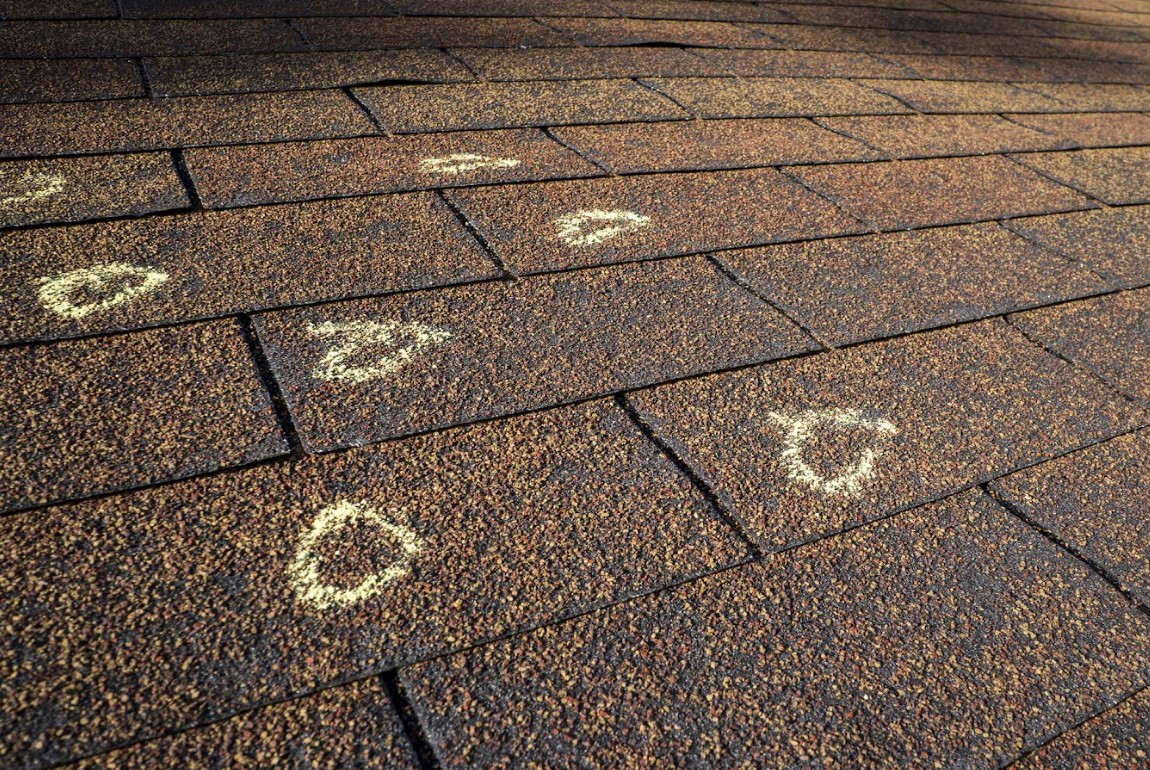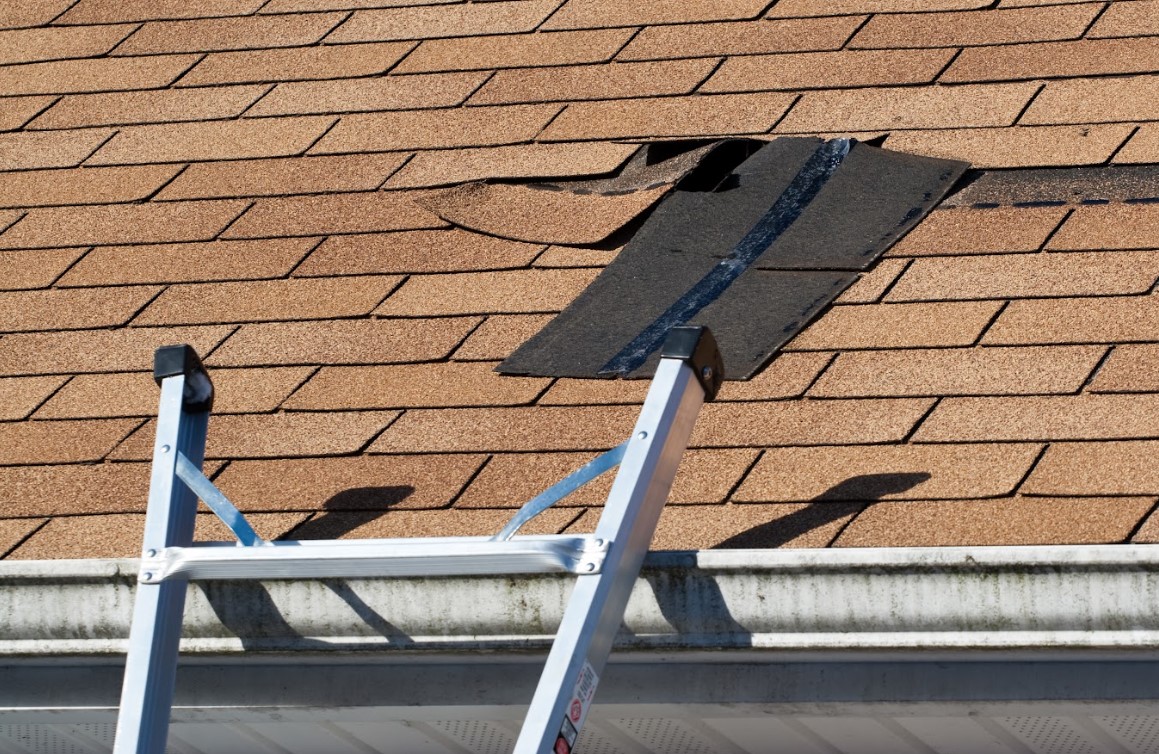
After a heavy windstorm in Lancaster, PA last winter, we received several calls for emergency roof repair. In most cases, homeowners had already tried to handle the issue. A tarp secured in a hurry. Sealant applied around flashing. A quick roof leak repair that seemed to stop the drip.
For a while, it looked resolved.
Then ceiling stains appeared. Insulation became damp. Heating bills rose. What began as temporary roof repairs quietly evolved into recurring roof patch problems.
Choosing a quick fix is not irresponsible. It often feels practical in the moment. However, when the repair addresses the symptom rather than the cause, failed roof repairs become much more likely.
This pattern closely reflects what we explored in Why Most Roofs Fail Earlier Than Expected, where we explain how small system-level oversights gradually shorten a roof’s lifespan. A patch may look complete on the surface, but if the underlying issue remains, deterioration continues.
In this guide, we’ll walk through:
- Why temporary roof repairs often fail
- The financial reality behind repeated patch jobs
- When to patch vs replace roof sections
- How moisture affects energy efficiency
- Why some contractors recommend patches first
- Why roof damage is often a system failure rather than a surface problem
If you’re unsure whether your previous repair truly solved the issue, JMK Roofing can help.
Why “Quick Fix” Repairs Carry Extra Risk in Lancaster County
Roof repairs themselves are not the problem. A well-diagnosed repair can be a smart, cost-effective decision. The issue arises when temporary roof repairs are treated as long-term solutions without examining the broader roofing system.
Let’s define the terms clearly:
- Temporary roof repairs are short-term measures such as tarping or heavy sealant use.
- Roof patch problems occur when surface fixes fail because the root cause was never addressed.
- Roof repair mistakes happen when the issue is misdiagnosed or incompatible materials are used.
- Failed roof repairs are repairs that break down quickly, allowing moisture to return.
In Lancaster, PA, weather intensifies these risks. Freeze-thaw cycles expand trapped moisture. Snow loads stress weak points. Summer humidity slows drying. A small vulnerability can grow larger over time.
Often, what appears to be a minor roof leak repair connects to deeper structural imbalance. As we explain in The Silent Roof Killers: Small Issues That Cause Big Structural Damage in Lancaster, small overlooked issues frequently compound into larger structural damage.
Surface-level fixes should always be evaluated within the context of the entire roofing system.
Before You Patch: A Financial and Structural Pause
Before committing to temporary roof repairs, it helps to step back and consider both structural and financial implications.
Identify the True Source
Water rarely enters directly above where it appears inside. Without a full inspection, roof repair mistakes become more likely.
Compare Roof Age to Repair Investment
If your roof is nearing the end of its lifespan, patching may delay replacement but increase long-term expense.
Understand Roof Repair Cost in Lancaster County
- Minor repair typically begins around $550
- Flashing correction ranges from $800 to $1,500
- Decking replacement may exceed $2,000
- Multiple temporary roof repairs over time often total $3,000 to $5,000
Two or three smaller fixes, plus interior repairs, can exceed the cost of addressing the system properly the first time.
Think About Resale and Insurance
Repeated roof repair mistakes may complicate inspections or insurance claims. What looks like maintenance can sometimes be flagged as ongoing damage.
Short-term savings should always be weighed against long-term stability.
Once you understand the financial and structural risks, it becomes clearer why patch jobs fail so often. The issue is rarely the patch itself. It is the conditions surrounding it.
5 Reasons Temporary Roof Repairs Often Lead to Bigger Problems
Understanding how roof patch problems develop helps prevent repeating the cycle.
1. The Root Cause Was Never Resolved
A missing shingle might indicate flashing failure or deck rot underneath. Without identifying the cause, failed roof repairs are almost inevitable.
2. Sealants Have a Short Lifespan
Sealants degrade under UV exposure and temperature swings. In Lancaster, PA, extreme weather accelerates that breakdown.
3. Water Moves Sideways
Moisture travels beneath shingles before showing signs inside. A localized roof leak repair may leave surrounding decking exposed.
4. Freeze-Thaw Cycles Expand Small Gaps
Water expands when frozen, widening tiny openings into structural vulnerabilities.
5. Repeated Patching Fragments the System
Each additional patch introduces new seams. Over time, multiple temporary roof repairs create a surface that is less cohesive and more prone to future issues.
Repair vs Replacement: A Practical Comparison
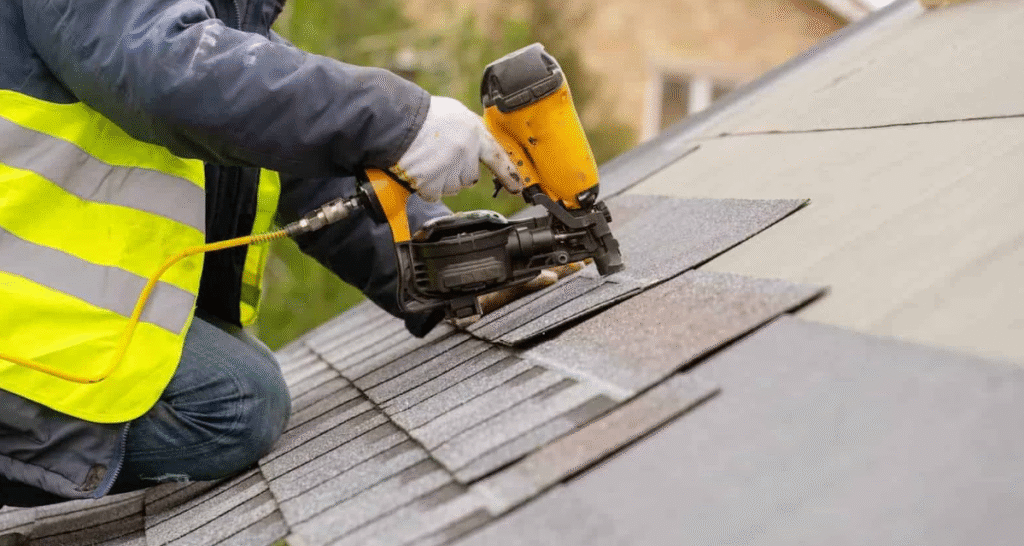
One of the most common questions we hear is whether to patch vs replace roof sections. The right answer depends on age, condition, and history.
| Situation | Repair Makes Sense | Replacement Makes More Sense |
| Roof under 10 years old | Yes | Rarely |
| Isolated storm damage | Often | Sometimes |
| Multiple previous patches | Risky | Often |
| Decking rot present | No | Yes |
| Near end-of-life shingles | Temporary only | Yes |
A well-executed repair can extend roof life responsibly. Repeated temporary roof repairs often increase total cost and structural risk. That is exactly how quick fixes intended to save money end up making roof damage worse.
The Energy Efficiency and Moisture Connection
Roof patch problems affect more than shingles. They affect performance.
When insulation becomes wet:
- R-value drops
- Heating systems run longer
- Cooling systems work harder
Moisture trapped by failed roof repairs can reduce insulation effectiveness by up to 40 percent. That means higher utility costs month after month.
A roof is not just protection from rain. It is part of your home’s energy system. Protecting it protects operating costs.
Why Some Contractors Recommend Patches First
Most contractors act in good faith. However, there are practical reasons patches are often recommended.
Temporary roof repairs are:
- Faster to complete
- Lower in upfront cost
- Easier to approve during urgent situations
In the moment, that can feel reassuring.
A lower upfront price does not always represent long-term value. Deeper structural repairs require time, experience, and careful evaluation.
The right recommendation should reflect your long-term goals rather than immediate relief.
The Bigger Truth: Roof Damage Is Usually a System Failure
Roof damage rarely happens in isolation.
Flashing, underlayment, ventilation, decking, and shingles all work together. When one element fails, the others are affected.
A simple roof leak repair may involve:
- Improper flashing
- Compromised underlayment
- Ventilation imbalance
- Insulation saturation
- Decking deterioration
Patching the visible opening does not correct system imbalance.
When roofing components are treated separately instead of as a unified system, temporary roof repairs postpone rather than prevent broader failure.
That is why every evaluation should consider the entire roofing structure.
Temporary Roof Repairs & Patch Failure Questions in Lancaster County
Because temporary roof repairs and roof patch problems often seem minor at first, many homeowners have similar questions before deciding what to do next. Below are the most common concerns we hear in Lancaster, PA, along with clear, straightforward answers.
Are temporary roof repairs permanent solutions?
Temporary roof repairs are rarely permanent solutions. They are designed to stop immediate water intrusion, but if the underlying issue is not addressed, they often lead to roof patch problems or failed roof repairs within a few seasons.
How do I know if my roof leak repair will fail?
A roof leak repair may fail if decking is compromised, multiple patches already exist, or the roof is near the end of its lifespan. Repeated roof repair mistakes or heavy reliance on sealants are also warning signs that the fix may not hold long term.
Do roof repair mistakes void warranties?
Roof repair mistakes can void manufacturer warranties when installation guidelines are not followed. If temporary roof repairs are performed incorrectly or without proper materials, warranty coverage may be reduced or denied.
When is replacement better than repair?
Replacement is often better than repair when multiple failed roof repairs have occurred or when structural damage extends beyond a small, isolated area. In those cases, patching can increase long-term cost rather than reduce it.
What is the average roof repair cost in Lancaster, PA?
The average roof repair cost in Lancaster, PA typically starts around $550 for minor issues and increases depending on flashing, decking, and moisture involvement. Repeated temporary roof repairs can significantly increase total expenses over time.
Does insurance cover failed roof repairs?
Insurance may cover storm-related emergency roof repair, but it typically does not cover deterioration caused by improper temporary roof repairs or ongoing roof patch problems.
Repair the Right Way or Risk Paying Twice
Temporary roof repairs can feel responsible. They reduce stress and protect interiors from visible leaks.
When quick fixes turn into recurring roof patch problems, homeowners often pay twice. This is why patch jobs fail. Not because repairs are wrong, but because quick fixes applied without full system evaluation often make roof damage worse over time.
The difference between a strategic repair and failed roof repairs comes down to accurate diagnosis, material compatibility, and a complete system evaluation.
Since 2012, JMK Roofing has approached every roof as a long-term investment. We prioritize clarity, integrity, and recommendations that support both your home and your financial stability.
If you are weighing patch vs replace roof decisions or questioning a past repair, schedule your free inspection today.