Spring and summer storms in Lancaster, PA often arrive quickly. One moment the sky is calm, and the next hail is striking rooftops across the neighborhood. When the storm passes, many homeowners walk outside, check their yard, and assume everything is fine. But hail can damage a roof in ways that are difficult to see from the ground.
One reason hail damage is often missed until leaks appear is that hail rarely punches holes straight through a roof. Instead, it bruises shingles, loosens protective granules, and weakens roofing materials beneath the surface. At first, the roof may still appear intact. Over time, however, that hidden roof hail damage can lead to cracks, water intrusion, and eventually leaks inside the home.
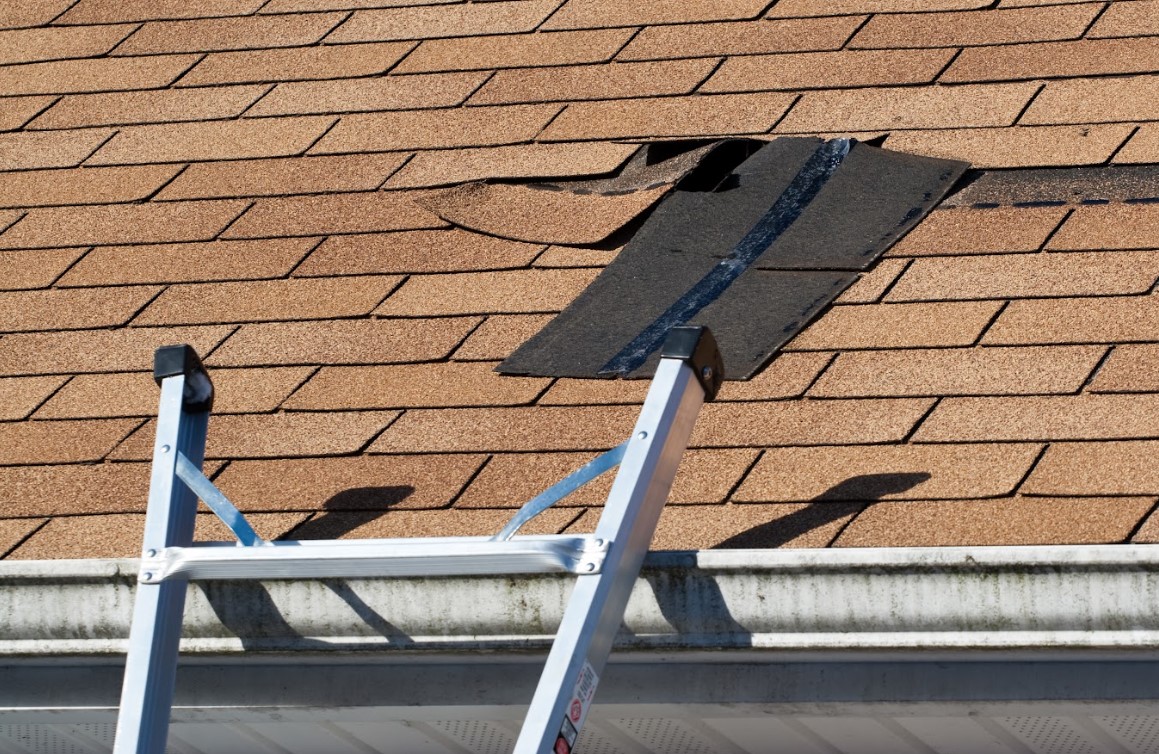
The signs of hail damage on a roof are not always obvious right away. Shingles damaged by hail, subtle impact marks, and small areas of granule loss can weaken roofing materials long before homeowners notice a problem. That is why a professional hail roof inspection or roof hail inspection is often recommended after severe weather.
Hail damage is actually one of the most common forms of storm-related roofing issues in Pennsylvania. If you want a broader explanation of how severe weather affects roofing systems overall, our guide on Storm Damage Roofing: What Really Happens to Your Roof During Severe Weather explains how wind, hail, debris, and water intrusion gradually weaken roofing systems over time.
This article focuses specifically on why hidden hail damage on roof surfaces is often missed until leaks appear later.
In this guide you will learn:
- Why hail damage is often invisible after a storm
- The most common signs of hail-damaged shingles
- Why leaks may appear weeks or months later
- When a professional hail roof inspection is necessary
- How homeowners can prevent hidden hail damage from turning into interior leaks
If you suspect recent storms may have affected your roof, JMK Roofing can help evaluate the situation and provide clear next steps.
Understanding Hidden Hail Damage and Why It Matters
To understand why hail damage is often missed until leaks appear, it helps to first understand how hail impacts roofing materials.
Hail damage occurs when hailstones strike shingles with enough force to bruise, crack, or remove protective granules. In many cases, the damage does not break the shingle immediately.
Instead, hail often creates a bruise beneath the surface of the shingle.
This bruising weakens the shingle structure while leaving the roof looking intact from the outside. Because there is no immediate hole or leak, homeowners often assume the roof survived the storm without damage.
However, that weakened area slowly deteriorates. Granules fall away, cracks form, and water eventually penetrates the roofing layers. By the time moisture reaches the attic or ceiling, the hail damage may have existed for months.
Understanding this slow progression helps explain why many homeowners only discover hail damage after leaks begin to appear.
With that in mind, it becomes easier to see why homeowners frequently overlook hail damage in the first place.
Why Hail Damage Is Easy for Homeowners to Miss
Even when hailstorms are strong enough to damage roofing materials, the damage often goes unnoticed at first. Several factors contribute to why homeowners miss these early warning signs.
Roofs Are Difficult to Inspect Safely
Most homeowners cannot safely climb onto their roof to inspect shingles closely. From the ground, hail damage is often invisible, which is one reason it goes unnoticed until leaks develop.
Hail Damage May Look Minor at First
Bruised shingles or small areas of granule loss rarely appear serious right after a storm. Because the roof still looks intact, homeowners may not realize the damage will worsen over time.
Hailstorms Are Often Brief
Many hailstorms pass quickly. Once the storm ends and no immediate leaks appear, it is easy to assume the roof survived without problems.
Leaks Develop Later
Hail damage usually weakens roofing materials rather than breaking them outright. As damaged shingles expand and contract with temperature changes, cracks eventually form and allow water intrusion.
Because this process takes time, the original hailstorm may not even come to mind when a leak finally appears.
Knowing why hail damage is often missed helps homeowners understand why inspections after storms are so important.
What Homeowners Should Know Before Addressing Hail Damage
Once homeowners understand how hail damage develops slowly, the next step is knowing how to respond after a storm.
Insurance Considerations
Many homeowner insurance policies cover hail damage when it affects the roof’s protective function. Professional inspection reports often help confirm damage that may not be visible immediately.
Budget Awareness
Repair costs vary depending on how long the hail damage has been present.
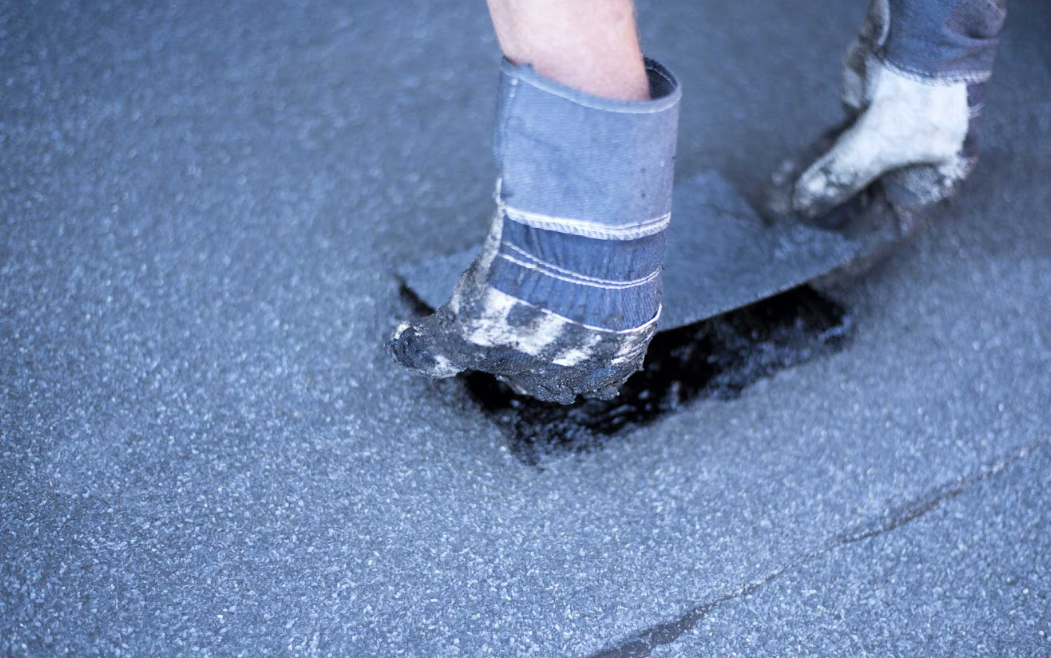
When damage is identified early, repairs may be relatively minor. When hail damage goes unnoticed for months and leaks develop, roof repairs may involve larger sections of the roof.
Inspection Timing
Scheduling an inspection soon after a hailstorm helps identify hidden damage before it progresses into leaks or structural problems.
At this point, it helps to understand what roofing professionals actually look for during a hail inspection.
What Hail Damage Looks Like During a Roof Inspection
A professional inspection often reveals why hail damage is frequently missed until leaks appear.
Roofing inspectors look for subtle indicators that homeowners rarely see from the ground.
Hail Bruising
Hail bruising occurs when the asphalt layer beneath the shingle granules is compressed. The surface may appear normal, but the weakened structure eventually cracks and allows water intrusion.
Circular Impact Marks
Hailstones often leave small circular spots where granules have been knocked away. These exposed areas become more vulnerable to weather and aging.
Random Impact Patterns
Unlike normal wear, hail damage usually appears in scattered patterns across the roof surface. These patterns help inspectors confirm that hail impacts caused the damage.
Understanding these inspection indicators also makes it easier for homeowners to recognize potential warning signs.
Signs of Hail Damage on a Roof
Although some hail damage on a roof remains hidden, there are still visible signs homeowners can watch for before leaks develop.
Visible Roof Surface Damage
Common indicators include:
- Dark circular marks on shingles
- Missing granules exposing asphalt
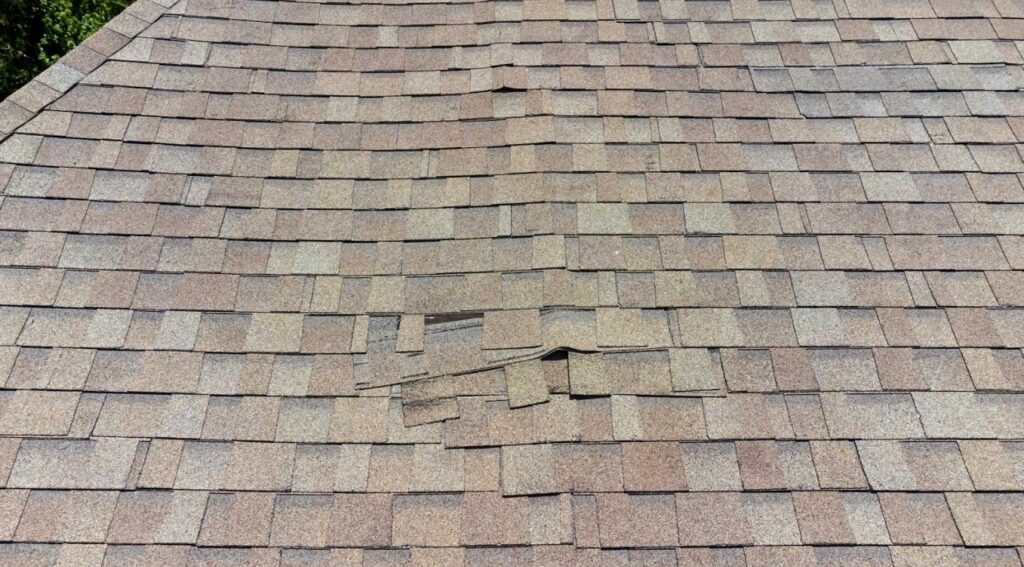
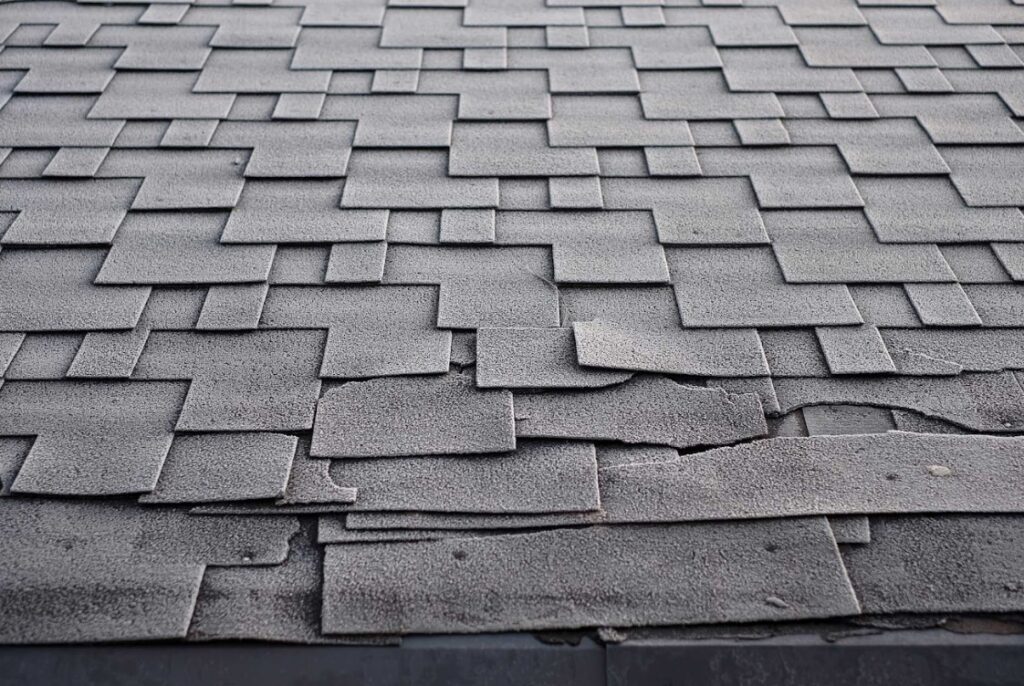
- Cracked or split shingles
- Small impact marks across the roof surface
These are common indicators of hail-damaged shingles that may eventually lead to leaks.
Damage to Metal Components
Hail frequently dents exposed metal components such as:
- Roof vents
- Flashing
- Chimney caps
- Gutters
If these areas show dents, nearby shingles may have also been impacted.
Granules in Gutters
Granules collecting in gutters after a hailstorm may indicate that protective layers were knocked off shingles, which can accelerate deterioration and eventually lead to water intrusion.
Even when these signs appear minor, they can signal the beginning of a much longer damage timeline.
How Hidden Hail Damage Turns Into a Roof Leak
One of the key reasons hail damage is often missed until leaks appear is the delayed timeline of deterioration.
Immediately After the Storm
Shingles may be bruised or weakened, but the roof continues functioning normally.
Weeks Later
Granules begin washing away from damaged areas.
Months Later
Cracks form as shingles expand and contract with temperature changes.
Eventually
Water penetrates the roofing layers and enters the attic or ceiling.
By the time homeowners notice water stains inside the home, the hail damage that caused the leak may have existed for months.
Because this progression can be slow and subtle, professional inspections become especially valuable.
The Value of a Professional Hail Roof Inspection
Since hail damage is often difficult to detect early, a professional inspection can help identify problems before leaks develop.
During a professional hail roof inspection, roofing specialists evaluate several key areas.
Shingle Surface Examination
Inspectors check shingles for bruising, cracks, and granule loss that indicate hidden hail damage.
Flashing and Vent Inspection
Dented metal components often confirm that hail struck the roof during the storm.
Attic Inspection
Inspecting attic spaces helps identify early signs of moisture intrusion before visible leaks appear.
Documentation for Insurance Claims
Professional inspections also document damage patterns and impact areas that may support insurance claims.
By identifying hidden damage early, inspections help homeowners prevent minor hail impacts from becoming larger roofing issues.
Deep Dive: Roofing Materials and Their Response to Hail
The type of roofing material installed on a home can influence how noticeable hail damage is after a storm. Some materials show impact marks clearly, while others may hide bruising that eventually leads to leaks.
| Roofing Material | Advantages in Hailstorms | Potential Limitations |
| Asphalt Shingles | Affordable and widely used. Impact-resistant options are available. Typically easier and more affordable to repair after hail damage. | Granule loss during hailstorms can weaken shingles. Bruising beneath the surface may go unnoticed. Damage may not appear until leaks develop. |
| Metal Roofing | Strong resistance to hail penetration. Durable during severe weather. Long lifespan often reaching 30 to 50 years. | Cosmetic denting may occur after large hail impacts. Higher initial installation cost compared to asphalt shingles. |
| Synthetic Roofing Materials | Designed for high impact resistance. Durable in storm-prone environments. Lightweight alternatives to slate or cedar roofing. | Higher upfront investment. Requires experienced installation to perform properly. |
Selecting durable materials and ensuring proper installation can help reduce the risk of hidden hail damage and make storm-related roofing problems easier to detect before leaks develop.
Hidden Hail Damage Questions Homeowners Ask After Severe Weather
After a hailstorm, many homeowners are unsure whether their roof was affected because hail damage often remains hidden until leaks appear. The following questions address common concerns about how hail impacts roofing systems and why professional inspections are often recommended.
How do I know if hail damaged my roof?
You can know if hail damaged your roof by looking for signs such as circular impact marks, missing granules, or dents on roof vents and flashing. These indicators often show that shingles were struck by hail even if the damage is not immediately obvious. Because hail damage can remain hidden beneath the shingle surface, a professional inspection may be needed to confirm it.
Should I schedule a roof hail inspection after a storm?
Yes, you should schedule a roof hail inspection after a storm because hail damage is often missed until leaks appear later. A professional inspection helps identify bruised shingles, granule loss, or hidden cracks before those problems develop into water intrusion. Early inspections help homeowners address damage before it worsens.
Can hail damage cause leaks months later?
Yes, hail damage can cause leaks months later because hail impacts often weaken shingles without creating immediate holes. Over time, temperature changes and weather exposure cause damaged shingles to crack, allowing water to penetrate the roofing system. This delayed deterioration is one of the main reasons hail damage is often overlooked at first.
Are hail-damaged shingles always visible right away?
No, hail-damaged shingles are not always visible right away because hail frequently bruises the asphalt layer beneath the surface. The shingle may look intact immediately after the storm, but the internal damage gradually worsens. As the shingle ages, cracks can form and eventually allow water into the roof structure.
Does insurance usually cover hail damage?
Yes, insurance usually covers hail damage when the damage affects the roof’s ability to protect the home. Most homeowner policies include coverage for storm-related roof damage, but documentation from a professional inspection is typically required. Early inspections can help confirm damage before leaks appear.
How soon should hail damage be repaired?
Hail damage should be repaired as soon as possible to prevent minor shingle damage from developing into leaks or structural problems. Addressing the damage early helps protect the roofing system and may prevent more extensive repairs later. Prompt repairs also make it easier to document storm-related damage for insurance purposes.
Final Thoughts: Why Hail Damage Often Goes Unnoticed
Hailstorms can weaken roofing systems in ways that are difficult to detect immediately. Bruised shingles, granule loss, and hidden cracks may not appear serious right away, but they often lead to leaks if the damage is left untreated.
Understanding why hail damage is often missed until leaks appear helps homeowners recognize the importance of early inspections and preventative repairs.
JMK Roofing has helped homeowners protect their homes since 2012. With certified installation standards, strong warranties, and a reputation built on honest communication, the team focuses on long-term solutions rather than quick fixes.
If you suspect recent storms may have caused hidden hail damage to your roof, schedule your free inspection today.