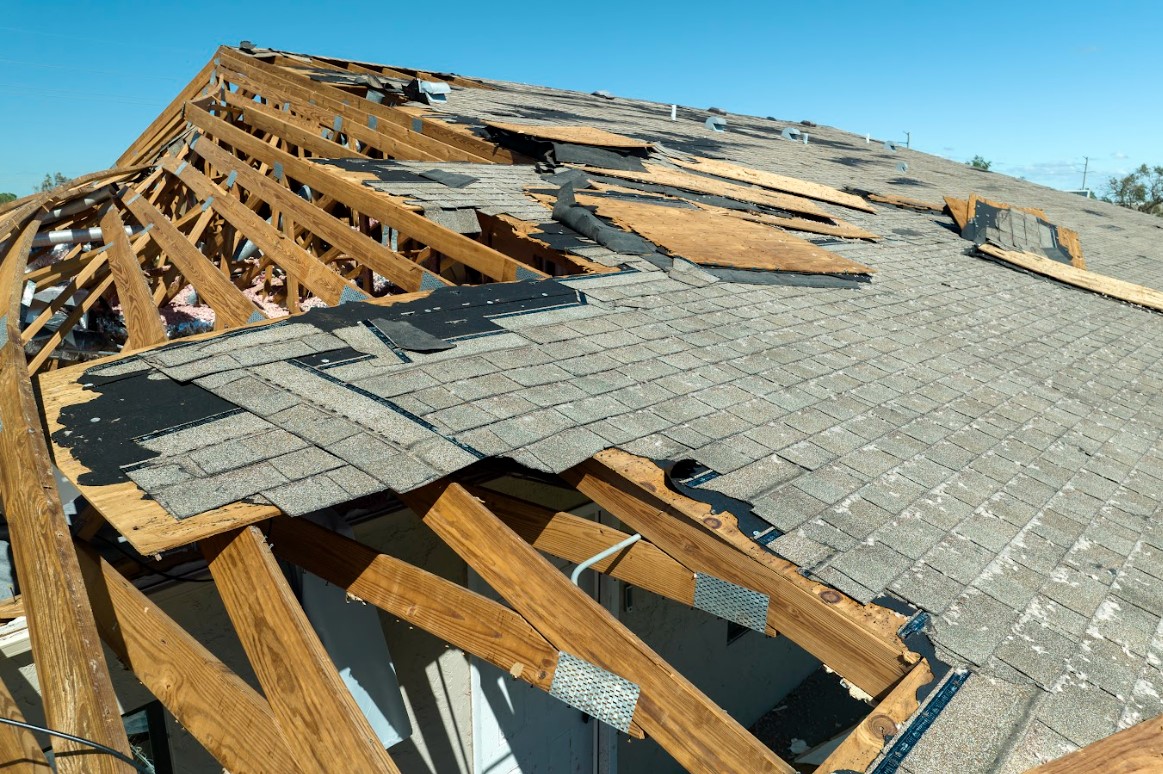
Strong windstorms are a regular part of life in Lancaster and surrounding Pennsylvania communities. A storm can move through quickly, leaving branches on the ground, siding blown loose, and sometimes shingles scattered across the yard. When that happens, the damage is easy to see.
What many homeowners don’t realize is that wind damage to a roof often begins before shingles ever blow off. In many cases, strong gusts lift shingles just enough to weaken the roofing system without creating obvious problems right away. This type of wind damaged roofing can allow moisture to enter slowly, which is why leaks sometimes appear weeks or months after the storm has passed.
Because of how storms move through this region, hidden damage is common. Severe weather affects roofing systems in several ways, not just wind. Our article on Storm Damage Roofing: What Really Happens to Your Roof During Severe Weather explains how hail, wind, and temperature changes can gradually weaken roofing materials over time.
In this guide, we’ll explain:
- How wind damage to a roof actually happens
- Why lifted shingles damage is often missed
- What inspectors look for after a windstorm
- How Pennsylvania weather affects asphalt shingle roofs
- When repairs may be covered by insurance
If recent storms have you wondering whether your roof may have been affected, JMK Roofing can help evaluate the situation and explain what steps make sense.
How Wind Damage to a Roof Happens
Wind does not need to remove shingles to damage a roof. In fact, many wind-related roofing problems begin when shingles stay in place.
During a storm, air pressure moves across the surface of the roof. When wind catches the edge of a shingle, it can create uplift force that pulls against the adhesive strip and fasteners holding the shingle down.
This can lead to:
- Broken adhesive seals
- Shingles lifting slightly at the edge
- Nails loosening
- Flashing shifting
- Ridge caps moving
From the ground, the roof may still look normal. However, once the seal is broken, the roofing system is no longer as strong as it was before the storm.
Many of the wind inspections we perform show damage that started long before shingles were missing. This is one reason storm damage often develops gradually instead of all at once.
Lifted Shingles Damage: The Most Common Hidden Problem
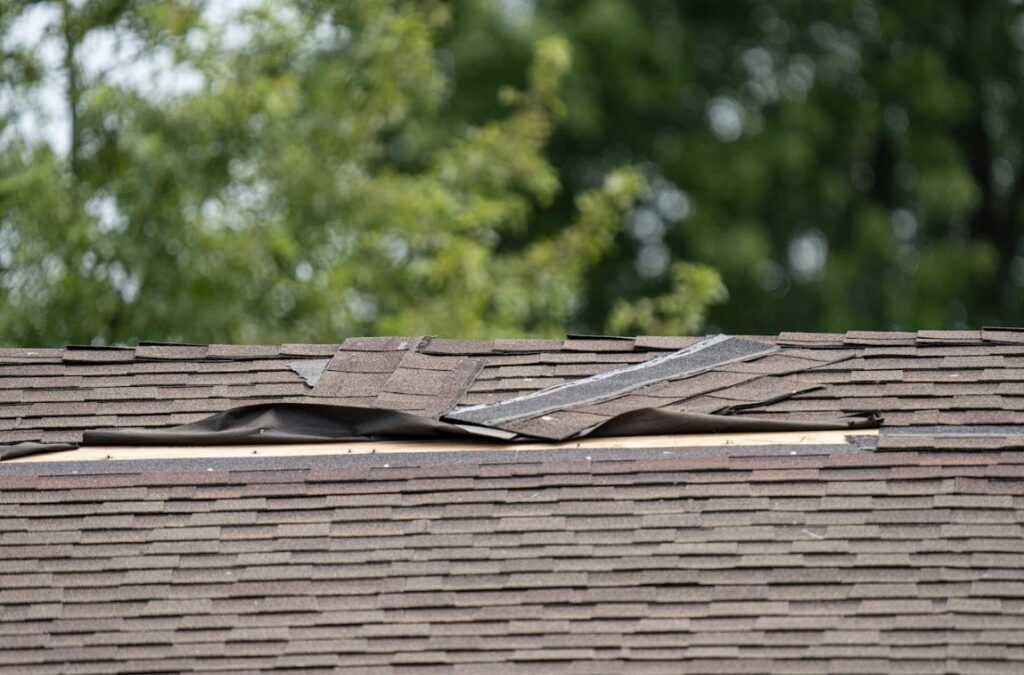
One of the most common issues after a windstorm is lifted shingles damage.
Shingles are designed to seal to each other after installation. This seal keeps wind and rain from getting underneath the roofing layers. When strong gusts break that seal, the shingle may still sit in place, but it becomes easier for wind to lift it again.
Once shingles have been lifted by wind, several things can happen over time.
Water may begin to work underneath the shingle during heavy rain.
Granules can loosen and wash away.
Nails may shift as the shingle moves.
The roof becomes more vulnerable during the next storm.
Because this damage is often small at first, homeowners may not notice anything wrong until the roof begins to leak later.
As a contractor certified by both GAF and Owens Corning, we see this type of damage frequently after storms in this area, especially on roofs that are older or have already experienced several seasons of weather exposure.
What Wind Damaged Roofing Looks Like Under the Surface
Wind damaged roofing is not always visible from the outside. In many cases, the problems appear underneath the shingles or around areas where different roofing materials meet.
During inspections, we often find issues such as:
- Underlayment exposed beneath lifted shingles
- Moisture beginning to reach the roof deck
- Flashing loosened around vents or chimneys
- Ridge caps shifted slightly out of place
- Nail holes enlarged by repeated movement
These problems may not cause an immediate leak, but they reduce the roof’s ability to keep water out during future storms.
Proper installation helps a roof resist wind damage, but poor installation can make storm damage worse. Fastening patterns, flashing placement, and ventilation all play a role in how well a roof holds up over time.
For that reason, workmanship and material quality both matter when repairs or replacement are needed.
How Wind Affects Asphalt Shingle Roofs in Pennsylvania
Asphalt shingles are the most common roofing material used on homes in Lancaster and nearby communities. They are reliable and cost-effective, but they are not immune to wind damage.
Several local conditions increase the chance of problems.
Cold weather can prevent shingles from sealing fully after installation.
Temperature changes cause shingles to expand and contract.
Older shingles become less flexible over time.
Lower wind-rated products may not hold as well in strong storms.
Modern architectural shingles from manufacturers like Owens Corning and GAF are designed to handle higher wind speeds, but even strong shingles can loosen if the seal breaks.
Pennsylvania storms often bring wind together with rain, snow, or temperature swings, which places extra stress on roofing systems throughout the year.
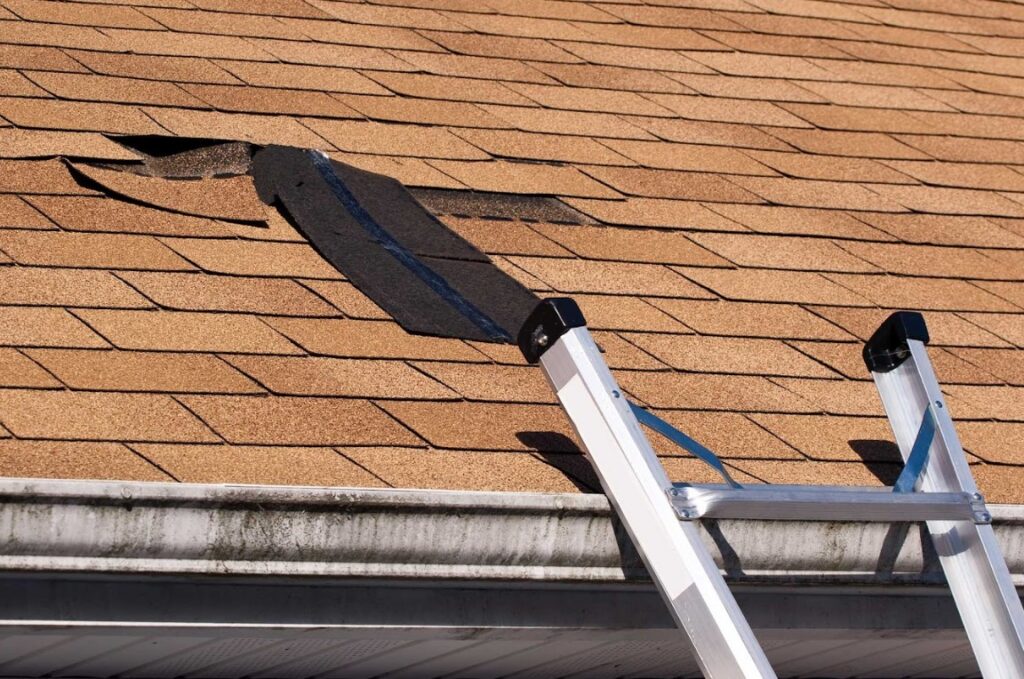
Signs of Wind Damage Homeowners Often Miss
After a storm, most people look for missing shingles. However, many roofs that need repair still look intact from the ground.
Some signs of roof damage from strong winds include:
- Shingle edges lifting slightly
- Loose ridge caps
- Granules collecting in gutters
- Bent flashing
- Debris resting on the roof
- Water stains appearing later inside the home
Many of the repairs we perform begin with damage that was not obvious right away. Hidden storm damage is not limited to wind alone. Hail can create similar problems, which is why inspections after severe weather are often recommended.
Why a Roof Wind Inspection Matters After Storms in Lancaster, PA
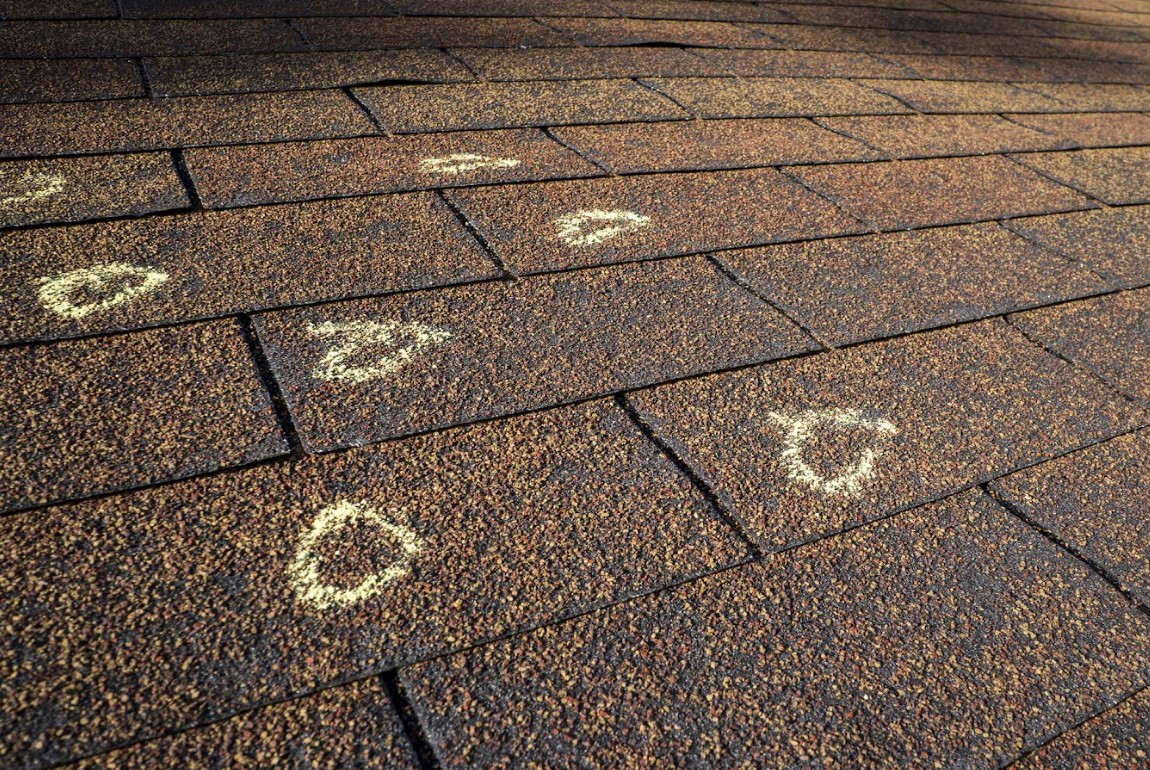
A professional inspection helps determine whether the roof was affected even when no shingles are missing.
This is important because wind damage can take time to show itself. A roof may continue working for a while after the seal is broken, but each storm afterward can make the problem worse.
Inspections also help with insurance claims when storm damage is involved. Documentation, photographs, and written reports make it easier to confirm that the damage came from weather rather than normal wear.
In this area, storms with strong wind are common enough that inspections after severe weather are a normal part of maintaining a roof.
When Wind Damage May Be Covered by Insurance
Many homeowner insurance policies include coverage for storm-related roof damage. Coverage often applies when wind affects the roof’s ability to protect the home.
Examples that may qualify include:
- Lifted or missing shingles
- Flashing damage
- Storm-related leaks
- Sections of roof loosened by wind
Claims usually require an inspection and documentation showing the damage was caused by a storm. Timing can also matter, since some policies limit how long after the event a claim can be filed.
Understanding how insurance companies evaluate storm damage can make the process easier for homeowners. Our article on Roof Insurance Claims: What Adjusters Look for After Storm Damage explains what adjusters look for during an inspection and why proper documentation matters after severe weather.
Knowing the condition of the roof soon after a storm makes it easier to decide whether a claim should be submitted.
What to Do If You Suspect Wind Damage
If your home experienced strong wind, a few simple steps can help you understand whether the roof may have been affected.
- Walk around the house and look for debris or missing shingles
- Check gutters for granules
- Look inside the attic for moisture or stains
- Take photos of anything unusual
- Schedule an inspection if you are unsure
Addressing small problems early often prevents larger repairs later. If you would like a professional opinion, you can schedule a storm damage roof inspection with JMK Roofing to determine whether repairs are needed.
Common Questions About Wind Damage Roof Problems in Lancaster PA
Wind damage is one of the most misunderstood types of storm damage because it does not always create obvious problems right away. Homeowners often have questions after strong storms, especially when the roof looks normal but concerns remain about hidden damage. The questions below explain what lifted shingles, broken seals, and wind exposure can do to a roofing system over time.
Can wind damage a roof without removing shingles
Yes, wind can damage a roof without removing shingles. Strong gusts can break the adhesive seal that holds shingles in place, allowing them to lift slightly even though they still appear intact. Once the seal is broken, the roof becomes more vulnerable to future storms and water intrusion.
What is lifted shingles damage
Lifted shingles damage happens when wind raises the edge of a shingle and weakens the seal that keeps the roofing system watertight. This allows water to move underneath the shingles and can lead to gradual deterioration. Over time, lifted shingles often lead to leaks or shortened roof life if not repaired.
Should I get a roof inspection after high winds
Yes, you should get a roof inspection after high winds. Wind damage is often hidden and may not be visible from the ground, especially when shingles have only lifted slightly. An inspection helps confirm whether the roof was affected before small problems turn into larger repairs.
Will insurance cover wind damage to a roof
Insurance may cover wind damage to a roof if the damage was caused by a storm and affects the roof’s ability to protect the home. Most policies require documentation showing that the damage came from wind rather than normal wear. An inspection report often helps support the claim.
How strong does wind need to be to damage shingles
Wind does not need to be extremely strong to damage shingles. Older shingles or shingles with weakened seals can lift during moderate storms, especially when wind is combined with rain or temperature changes. Repeated storms can gradually make the damage worse.
How long after a wind storm can leaks appear
Leaks can appear weeks or months after a wind storm. When shingles are lifted, water may slowly work underneath the roofing layers before it becomes visible inside the home. This delayed damage is one reason inspections after severe weather are recommended.
Why does wind damage often go unnoticed at first
Wind damage often goes unnoticed at first because the roof may still look normal even after the seal has been broken. Small areas of lifting or flashing movement are difficult to see from the ground. Over time, these small problems can allow moisture to enter the roofing system.
Why Hidden Wind Damage to a Roof Should Never Be Ignored
Wind damage is not always obvious right after a storm. Lifted shingles, broken seals, and small shifts in the roofing system can weaken a roof slowly, even when everything looks normal from the ground.
Understanding how wind affects roofing materials helps homeowners respond early and avoid larger repairs later.
JMK Roofing has worked with homeowners throughout Lancaster and surrounding communities since 2012, helping them identify storm damage, make informed decisions, and protect their homes for the long term.
If you’re ready to protect your home with a roof that’s built to last, from a company that actually stands behind it, schedule your free estimate with JMK Roofing today. Let’s build something that serves your home and your values.