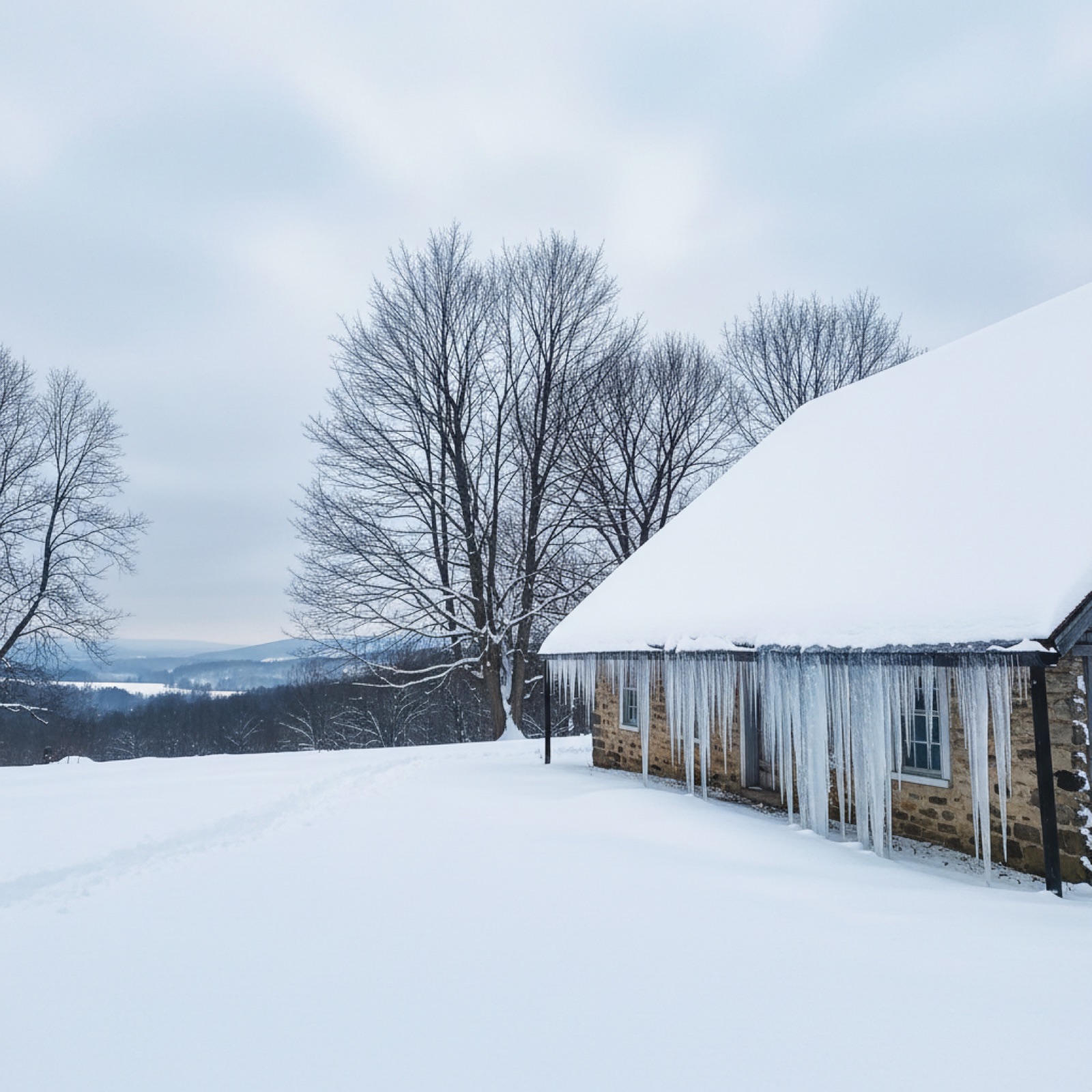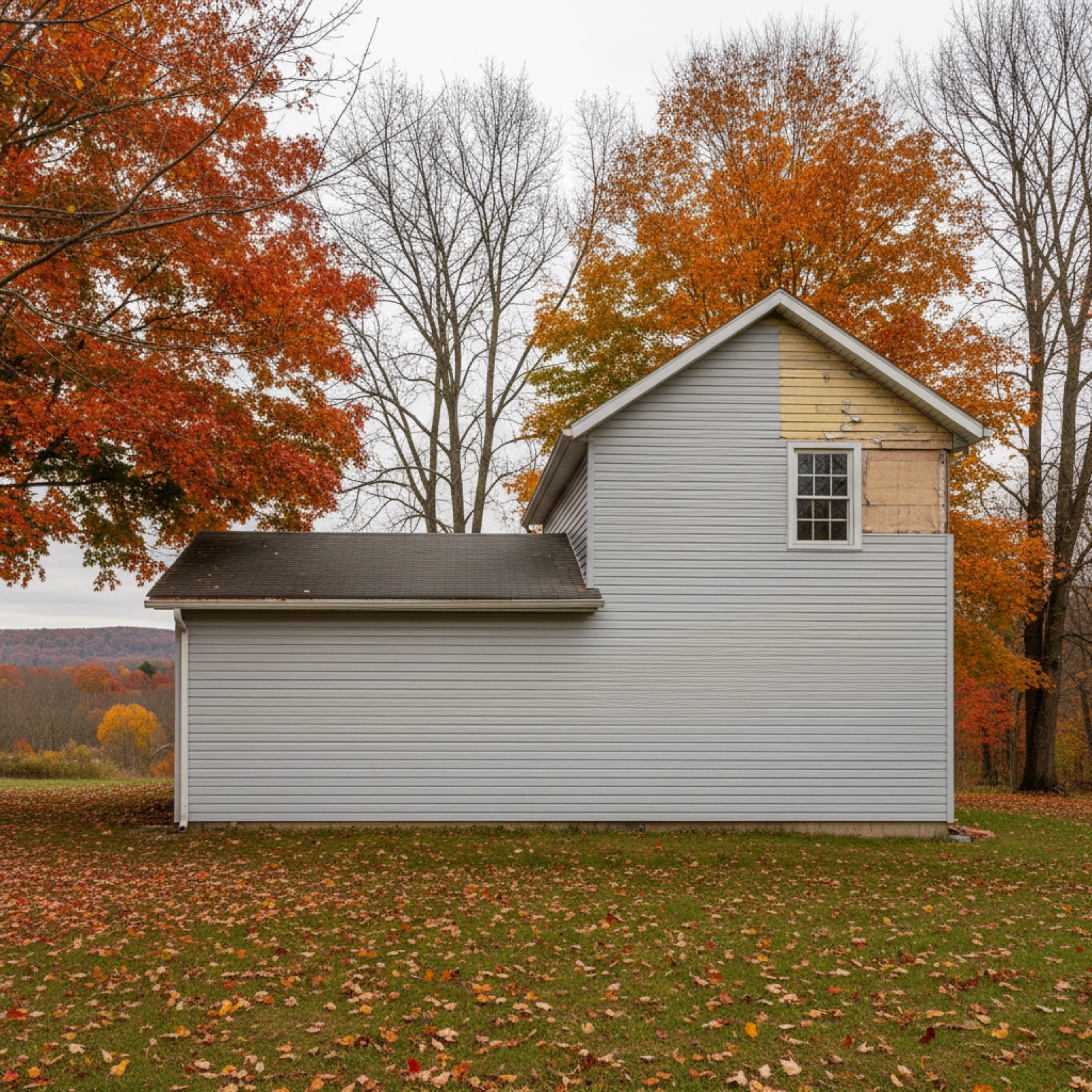
Yes, a winter roof replacement is possible in southern Pennsylvania and northern Maryland, and in many cases it is a smart move. Modern asphalt shingles can be installed in cold weather as long as the crew follows the manufacturer’s cold-weather steps, mainly keeping shingles warm, working only on a dry, frost-free deck, and hand-sealing the tabs so they hold until spring warmth activates the factory sealant. If your roof is already leaking, missing shingles, or soft underfoot, waiting until April usually costs more than doing the work now. This guide explains how cold temperatures affect roofing materials, what a careful crew does differently between November and March, which jobs should wait for warmer weather, and how homeowners across York County, Lancaster County, and Harford County can plan a cold-season project with confidence.
Key Takeaways
Here is the short version before we get into the details.
- Asphalt shingles can go on in cold weather, but their self-sealing strips need warmth to bond, so a quality crew hand-seals shingles on late fall and winter jobs.
- Major shingle makers publish cold-weather installation guidance, and following it protects both the roof and the manufacturer warranty.
- A roof with active leaks or storm damage should not sit until spring. Water damage inside walls and ceilings grows every freeze-thaw cycle.
- Late fall and winter often bring shorter wait times and more flexible scheduling than the busy spring and summer season.
Can You Replace a Roof in Winter Without Hurting the Shingles?
Homeowners ask “can you replace a roof in winter” more than almost any other cold-season question, and the honest answer is yes, with conditions. The concern is the adhesive strip on each asphalt shingle. That strip is heat-activated, so it relies on sun and warm air to soften and bond the shingle to the course below it. In November through March, that bond can take days or weeks to form.
GAF, one of the manufacturers JMK Roofing is certified with, states in its technical bulletin on temperature extremes that there is no practical lower temperature limit for installing its fiberglass asphalt shingles when proper precautions are taken. Those precautions include storing shingles in a heated space before use and hand-sealing them in very cold weather (GAF Technical Bulletin TAB-R-133). IKO’s cold-weather bulletin adds that shingles installed in the cold may take up to several weeks to seal on their own (IKO Installing Shingles in Cold Weather).
In other words, the material can handle the season. What matters is whether the crew installing your roof replacement takes those extra steps on every course or treats a 30-degree morning like a 75-degree afternoon.
How Does Cold Weather Affect Roof Installation in PA and MD?
Cold weather roof installation changes three things: how flexible the shingles are, how well they seal, and how safe the roof deck is to walk on. Each one has a clear fix when the crew knows what to watch for.
Shingles get stiff and brittle
Asphalt stiffens as it cools. A cold bundle that gets dropped, bent over a ridge, or flexed into a valley can crack. The Asphalt Roofing Manufacturers Association recommends storing shingles indoors to keep them warm, handling bundles carefully, and warming shingles before bending them for hips, ridges, and valleys (ARMA cold-weather installation recommendations).
Sealant strips need help
Until the factory sealant bonds, a gust can lift shingle tabs. Hand-sealing with an approved asphalt roofing cement closes that gap so the roof resists wind uplift through the winter, then the factory strip finishes the job once spring sun arrives.
Frost and ice make the deck unsafe
Morning frost on a roof in Stewartstown or Delta can linger until late morning on a north-facing slope. Crews should wait until frost and ice are gone before stepping onto the deck, which is why winter workdays often start a little later and run in shorter windows. Homeowners in the southern York County area can learn more about our local residential roofing work in Stewartstown, PA, where these cold-morning schedules are routine every winter.
Why Is a Winter Roof Replacement Sometimes the Better Choice?
A winter roof replacement is often the safer choice for your home when the existing roof is already failing. The mid-Atlantic does not stay frozen all season. Temperatures swing above and below freezing again and again, so any water that gets under damaged shingles melts, seeps, refreezes, and expands. Each of those cycles pushes moisture deeper into decking, insulation, and drywall.
Waiting for spring also stacks up risk from the next nor’easter or heavy, wet snowfall. A roof with brittle, curling, or missing shingles is far more likely to lose material in a winter windstorm than a sound one. If you are seeing any of the warning signs below, a cold-season replacement or at least a professional roof repair visit should happen now:
- Water stains on ceilings or upper walls after rain or a thaw
- Daylight visible through attic roof boards
- Shingles missing, cracked, or curling at the edges
- A sagging or spongy feel along a section of the roof
- Granules collecting in gutters and downspouts in large amounts
There are scheduling benefits too. Spring and summer are the busiest months for roofers in this region, and many homeowners searching for the best time to replace a roof assume those warm months are the only option. Booking during the slower cold season frequently means a shorter wait from estimate to install day and more flexibility on the date that suits your family.
When Should a Roof Replacement Wait for Warmer Weather?
Some projects really are better in spring. A good contractor will tell you so instead of forcing a job into the wrong week. These situations usually call for a temporary repair now and full replacement later:
- Extended deep cold. During a stretch of single-digit temperatures, even warmed shingles cool quickly on the roof. Manufacturers’ cold-weather rules still apply, and some days simply are not workable.
- Low-slope and flat roofs. Many membrane adhesives and coatings have minimum application temperatures, so flat roofing projects are often scheduled around warmer, dry days.
- Snow-covered decks. Fresh snow has to be cleared and the deck has to dry before underlayment goes down. A week of repeated storms can push a start date back.
- Specialty materials. Natural slate and some synthetic products have their own handling limits in the cold. We review those requirements before committing to a winter date.
If your roof is stable and dry, there is nothing wrong with getting an inspection and estimate now and locking in a spring date. That approach gives you time to compare options and set up roof financing without the pressure of an active leak.
What Does a Cold Weather Roof Installation Look Like With JMK Roofing?
Our five-step process stays the same in every season, but each step includes winter-specific details. Here is how a cold weather roof installation runs with our team.
- Contact. Call us or fill out our online form. We ask about leaks, stains, or storm damage right away so urgent winter problems get on the schedule first.
- Proposal. A crew member inspects your roof in person, including the attic, and checks decking condition, ventilation, and the eaves where ice tends to build. Your written proposal explains whether winter installation suits your roof or whether a temporary repair and spring date make more sense.
- Build. We pick a dry, frost-free window, keep shingle bundles warm until they go up, install ice and water protection along the eaves and valleys, and hand-seal shingles per the manufacturer’s cold-weather guidance. Most homes are dried in the same day so the house is never left open overnight in freezing weather.
- Clean-Up. Winter clean-up takes extra care. We sweep for nails in frozen grass and around snow piles and haul away all tear-off debris so your driveway and walkways are safe to use.
- Commitment. Your roof is backed by our 10-year workmanship warranty plus the manufacturer’s coverage. Following GAF and Owens Corning installation requirements in cold weather is part of keeping that coverage in place.
Across Harford County, we follow this same process on projects from Fallston to Pylesville. If you live north of Bel Air, you can read more about our residential roofing services in Jarrettsville, MD and the homes we work on there.
Does a Winter Roof Replacement Cost More?
In most cases, a winter roof replacement costs about the same as a warm-weather job. The main price drivers stay the same year-round: roof size, pitch, the number of layers being removed, decking repairs, and the material you choose. Hand-sealing and extra handling add some labor time, but slower winter demand often balances that out.
Where winter can raise the cost is when a homeowner delays a failing roof. Rotted decking, wet insulation, and interior drywall repairs can add real money to a project that would have been a straightforward tear-off a season earlier. For a full breakdown of the factors that set your price, see our guide to roof replacement cost in Lancaster, PA, which applies to most homes across our PA and MD service area.
How Do You Choose a Contractor for a Winter Roof Replacement?
Cold-season roofing rewards experience. Ask every contractor you interview these questions before you sign:
- Will you hand-seal the shingles, and do you follow the manufacturer’s written cold-weather instructions?
- How do you protect the house if weather changes mid-project?
- What workmanship warranty do you provide, and does winter installation affect it?
- Are you registered and licensed in my state?
That last question matters on both sides of the Mason-Dixon Line. Pennsylvania requires home improvement contractors to register with the Office of Attorney General (PA Home Improvement Contractor Registration), and Maryland requires a license from the Maryland Home Improvement Commission (Maryland Home Improvement Commission). JMK Roofing holds both, PA #128209 and MHIC #153879, and has served the region since 2012. We are a GAF Certified and Owens Corning Preferred contractor, owner Reuben Beiler stays involved from the first inspection through the final walkthrough, and we never chase storms or use pressure tactics. Homeowners near the Susquehanna and Cecil County line can see our residential roofing in Rising Sun, MD for more on the local work we do there.
Frequently Asked Questions About Winter Roof Replacement in PA and MD
What temperature is too cold to install a new roof?
There is no single cutoff for every product. GAF says its asphalt shingles have no practical lower limit when cold-weather precautions are followed, while other manufacturers prefer warmer installs. In practice, crews in Pennsylvania and Maryland avoid days with ice, frost that will not clear, or prolonged single-digit cold, and they follow each manufacturer’s written guidance for the shingle being installed.
Will my new shingles blow off if they have not sealed yet?
Hand-sealing is the safeguard. A small amount of approved asphalt roofing cement under each tab holds shingles in place until spring sun activates the factory sealant strip. Properly hand-sealed roofs ride out typical winter winds in this region without issue.
Does a winter install affect my shingle warranty?
Not when the installer follows the manufacturer’s cold-weather instructions. Warranties depend on correct installation, which is why hand-sealing, warm storage, and proper underlayment are part of every cold-season job we do. Ask any contractor to put those steps in writing.
How long does a roof replacement take in winter?
Most single-family homes are still finished in one to two days. Shorter daylight and late-morning frost can stretch the schedule slightly, and a storm may shift the start date, but crews dry in each section the same day so your home stays protected.
Ready to find out whether your roof should be replaced this winter or can wait for spring? Schedule your free roof estimate with JMK Roofing and get a clear answer within 24 hours.