Heat damage to roofing systems, UV ray damage to roofing materials, and humidity-related roof damage rarely happen overnight. Most summer roofing problems in Lancaster, PA develop gradually as roofing systems expand, dry out, trap moisture, and absorb years of environmental exposure. What starts as small seasonal wear can eventually shorten roof lifespan, weaken structural components, and lead to expensive repairs if the warning signs are overlooked.
By the middle of summer in Pennsylvania, roofs are exposed to constant stress. Afternoon heat builds across dark roofing surfaces for hours at a time. Humidity lingers after storms pass through. Temperatures cool quickly at night, forcing roofing materials to expand and contract repeatedly. Most homeowners do not notice the effects immediately because this type of roof damage happens slowly.
That gradual breakdown is what makes summer weather so hard on roofing systems. Unlike hail or wind damage, environmental exposure accumulates over years. UV rays dry out shingles. Heat weakens flashing and sealants. Humidity traps moisture beneath roofing systems and inside attic spaces. Over time, heat, UV rays, and humidity slowly break down roofing systems layer by layer until small problems become much larger ones.
For homeowners trying to avoid premature roof replacement, understanding how environmental exposure affects roofing systems is one of the most important parts of long-term roof maintenance.
Here’s what we’ll cover:
- How heat damage to roofing systems develops over time
- The effects of UV ray damage to roofing materials
- How humidity-related roof damage forms beneath the surface
- Why ventilation matters during humid Pennsylvania summers
- Which roofing systems hold up best against environmental exposure
- Warning signs homeowners should not ignore
- How roofing systems gradually deteriorate over decades of heat, UV exposure, and humidity
If you’re noticing signs of roof wear after years of seasonal weather exposure, JMK Roofing can help.
Why Heat, UV Rays, and Humidity Slowly Break Down Roofing Systems in Lancaster, PA
Pennsylvania roofs experience constant environmental stress during summer months. Heat, humidity, UV exposure, and storms all affect roofing systems differently, but together they accelerate roofing system deterioration significantly.
In Lancaster and surrounding communities, roofing systems regularly face:
- Humid summer conditions that trap moisture
- Intense UV exposure during long daylight hours
- Temperature fluctuations between hot days and cooler nights
- Heavy rain and seasonal storm exposure
This combination creates conditions where roofing systems slowly weaken over time, even when damage is not immediately visible.
Repeated Heat Exposure Gradually Weakens Roofing Materials
Roof surfaces can become dramatically hotter than outside air temperatures during summer afternoons. As roofing materials repeatedly heat up and cool down, every part of the roofing system experiences movement and stress.
Over time, this type of heat damage to roofing systems contributes to:
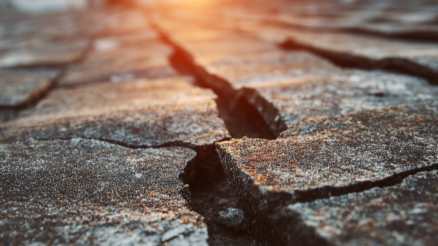
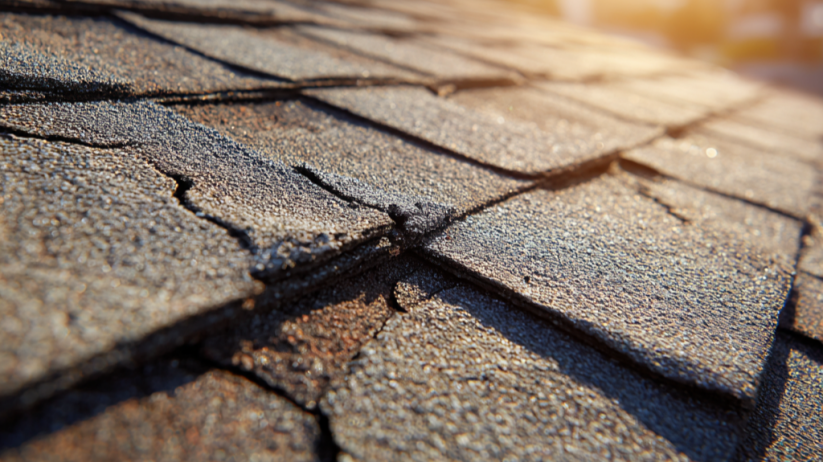
- Cracking shingles
- Weakening flashing
- Sealant breakdown
- Material warping
- Stress around roof penetrations
Older roofing systems become especially vulnerable because aging materials lose flexibility and become more brittle under prolonged heat exposure.
Continuous UV Exposure Slowly Deteriorates Roofing Components
UV ray damage to roofing materials happens gradually through continuous sunlight exposure. Roofing systems absorb years of UV radiation, even when the damage is not obvious from the ground.
Common signs of UV ray damage to roofing materials include:
- Fading shingles
- Curling edges
- Surface brittleness
- Granule loss
- Dry, cracked roofing materials
This type of deterioration matters because UV exposure steadily weakens the roofing system’s ability to resist storms, moisture, and temperature changes over time.
Humidity Creates Hidden Moisture Damage Throughout Roofing Systems
Humidity-related roof damage often develops in hidden areas beneath roofing materials or inside attic spaces where homeowners cannot easily see it.
Excess moisture trapped inside roofing systems can contribute to:
- Mold growth
- Wood rot
- Condensation buildup
- Underlayment deterioration
- Soft roof decking
- Insulation damage
In humid Pennsylvania summers, poor attic ventilation allows moisture to remain trapped beneath the roofing system for extended periods, which accelerates deterioration throughout the entire roof structure.
What Homeowners Should Understand Before Addressing Summer Roofing Problems
Understanding how heat, UV rays, and humidity slowly break down roofing systems helps homeowners make smarter long-term maintenance and replacement decisions.
Older Roofing Systems Become More Vulnerable to Environmental Stress
As roofing systems age, they become less resistant to heat, UV exposure, and humidity. Older roofing materials lose flexibility, dry out more quickly, and become more vulnerable to cracking and moisture intrusion.
This is why roofing systems that once handled summer weather well may begin deteriorating more rapidly later in their lifespan.
Proper Ventilation Helps Roofing Systems Resist Premature Aging
Ventilation allows heat and humidity to escape instead of remaining trapped inside attic spaces and beneath roofing materials.
Without proper airflow:
- Roofing materials remain hotter longer
- Moisture buildup increases
- Condensation forms more easily
- Roofing systems age faster
Ventilation problems often accelerate the exact types of summer roofing problems homeowners are trying to avoid.
Roofing Material Selection Affects Long-Term Summer Durability
Different roofing systems respond differently to environmental exposure:
- Metal roofing reflects solar heat effectively
- Slate roofing resists UV deterioration naturally
- Asphalt shingles absorb more heat over time
- Cedar roofing requires moisture management in humid climates
Understanding how heat, UV rays, and humidity slowly break down roofing systems helps homeowners choose materials that better match their climate and long-term goals.
Preventative Maintenance Slows Long-Term Roofing Deterioration
Routine inspections help identify:
- Sealant failure
- UV deterioration
- Moisture buildup
- Ventilation problems
- Flashing damage
- Early structural wear
Catching these issues early often prevents environmental exposure from slowly turning small roofing concerns into major repairs.
Heat, UV Rays, and Humidity Work Together to Slowly Break Down Roofing Systems
Summer weather affects roofing systems in layers. Heat, UV exposure, and humidity each create different forms of wear, but together they accelerate roof aging significantly over time.
Heat Damage Gradually Weakens Roofing System Components
Repeated temperature swings place stress on nearly every part of a roofing system. During hot summer days, roofing materials expand. At night, they contract again.
This constant movement slowly weakens:
- Shingles
- Flashing
- Sealants
- Underlayment
- Fasteners
- Ventilation components
We often see these issues become more noticeable after several consecutive summers with prolonged heat and humidity exposure.
UV Ray Exposure Slowly Dries Out Roofing Materials
UV rays steadily remove flexibility from roofing materials. As shingles and sealants dry out, they become more brittle and less capable of handling storms, wind, and seasonal movement.
Common warning signs include:
- Curling shingles
- Surface cracking
- Granule buildup in gutters
- Faded roofing materials
- Brittle sealants
While UV damage develops slowly, it significantly contributes to how heat, UV rays, and humidity slowly break down roofing systems over time.
Humidity-Related Moisture Intrusion Weakens Roofing Structures
Humidity affects roofing systems differently because moisture damage often develops underneath visible roofing materials first.
Poor attic ventilation allows warm, humid air to remain trapped beneath the roof, which contributes to:
- Mold growth
- Rotting decking
- Underlayment deterioration
- Reduced insulation performance
- Structural weakening
Humidity-related roof damage becomes especially severe when combined with prolonged heat exposure and inadequate ventilation.
Seasonal Weather Exposure Causes Roofing Problems to Compound
Most summer roofing problems do not happen independently. Heat weakens roofing materials. UV exposure dries them out further. Humidity introduces moisture into vulnerable areas.
Together, these environmental conditions accelerate:
- Roof aging
- Leak development
- Structural deterioration
- Energy inefficiency
- Premature roofing failure
This gradual breakdown is exactly how heat, UV rays, and humidity slowly break down roofing systems over years of exposure.
Roofing Systems Often Deteriorate Gradually Over Decades of Summer Exposure
Many homeowners expect roof damage to happen suddenly, but environmental deterioration usually develops in stages over long periods of time.
Early Environmental Exposure Begins Weakening Roofing Systems Subtly
During the first several years of roof exposure, UV rays and heat slowly begin drying out roofing materials. At this stage, most damage remains subtle.
Small changes may include:
- Minor granule loss
- Slight fading
- Early sealant wear
- Increased attic heat buildup
These issues may seem cosmetic initially, but they often represent the beginning stages of long-term roofing system deterioration.
Mid-Life Roofing Systems Often Show Signs of Heat and Moisture Stress
As roofing systems continue aging, heat and humidity begin affecting deeper roofing components.
Homeowners may begin noticing:
- Higher cooling bills
- Warmer upstairs rooms
- Shingle curling
- Excess attic humidity
- Wear around flashing and penetrations
This stage is where many summer roofing problems begin accelerating more noticeably.
Long-Term Environmental Exposure Weakens Structural Roofing Components
Over longer periods of exposure, heat, UV rays, and humidity slowly break down roofing systems beneath the shingles themselves.
Long-term environmental stress may contribute to:
- Soft roof decking
- Underlayment deterioration
- Persistent attic moisture
- Mold growth
- Recurring leaks
- Insulation damage
This is often when homeowners realize roofing deterioration has been developing gradually for years.
Small Warning Signs Often Point to Larger Roofing System Problems
Some of the earliest signs that heat, UV rays, and humidity are slowly breaking down roofing systems are easy to overlook because they do not always appear severe initially.
Rising Cooling Costs Often Signal Excess Roofing System Heat
A roofing system struggling with trapped heat often contributes to higher cooling costs during summer months. Poor ventilation allows attic temperatures to remain elevated, forcing HVAC systems to work harder.
Musty Attic Odors Commonly Indicate Hidden Moisture Problems
Persistent attic humidity and trapped moisture frequently create musty smells that signal hidden moisture problems beneath the roofing system.
Shingle Discoloration and Granule Loss Often Signal UV Damage
Fading shingles, dark streaks, or excessive granules collecting in gutters often indicate long-term UV exposure and material breakdown.
Warped Flashing and Cracked Sealants Develop Gradually Over Time
Heat expansion and repeated temperature fluctuations slowly place stress on flashing and sealants until separation and cracking begin developing around vulnerable areas.
These smaller warning signs matter because they often reveal how heat, UV rays, and humidity slowly break down roofing systems long before major leaks appear.
Poor Ventilation Accelerates How Heat, UV Rays, and Humidity Break Down Roofing Systems
Ventilation is one of the most important parts of long-term roofing performance, yet it is also one of the most overlooked.
Trapped Heat Causes Roofing Systems to Age Faster
Without proper attic airflow, heat remains trapped beneath roofing materials for extended periods during summer months.
This accelerates:
- Shingle drying
- Sealant deterioration
- Material brittleness
- Underlayment wear
- Premature roof aging
Excess Moisture Creates Long-Term Structural Roofing Problems
Humidity trapped inside attic spaces contributes to:
- Condensation buildup
- Mold growth
- Decking deterioration
- Insulation damage
- Structural weakening
We often see older roofs show accelerated deterioration after multiple humid summers, especially when attic ventilation was undersized from the beginning.
Proper Ventilation Protects the Entire Roofing System
A roofing system includes more than shingles alone. Ventilation, flashing, underlayment, decking, insulation, and attic airflow all work together to support long-term durability.
When ventilation functions properly, roofing systems generally:
- Experience less moisture buildup
- Maintain more stable temperatures
- Resist premature aging more effectively
- Handle seasonal weather changes better
Proper ventilation plays a major role in slowing how heat, UV rays, and humidity gradually break down roofing systems over time.
Different Roofing Systems Handle Heat, UV Rays, and Humidity Differently
Not all roofing systems respond to environmental exposure the same way. Material selection has a major impact on how quickly heat, UV rays, and humidity slowly break down roofing systems.
Metal Roofing Reflects Heat and Resists UV Deterioration
Metal roofing performs especially well during hot weather because it reflects solar heat instead of absorbing it heavily.
This helps:
- Reduce attic temperatures
- Improve energy efficiency
- Slow heat-related aging
- Reduce UV-related material deterioration
Metal roofing systems generally hold up well against long-term summer exposure.
Slate Roofing Naturally Resists Moisture and UV Exposure
Slate roofing naturally resists:
- UV deterioration
- Moisture absorption
- Heat-related breakdown
- Long-term weather exposure
Its durability makes slate one of the strongest long-term roofing systems for homeowners focused on lifespan and environmental resistance.
Asphalt Roofing Systems Are More Vulnerable to Summer Heat Exposure
Asphalt shingles remain common because they are affordable and versatile, but prolonged summer heat and UV exposure can accelerate deterioration.
Common summer-related asphalt roofing problems include:
- Granule loss
- Curling shingles
- Drying and cracking
- Surface deterioration
Proper attic ventilation becomes especially important for slowing how heat, UV rays, and humidity affect asphalt roofing systems.
Cedar Roofing Requires Ongoing Moisture Management
Cedar roofing offers natural insulation and architectural character, but humidity-related roof damage can affect cedar systems heavily when airflow and moisture control are neglected.
Routine maintenance and ventilation are critical for protecting cedar roofing systems from long-term humidity exposure.
Small Summer Roofing Problems Rarely Stay Small for Long
One of the biggest misconceptions homeowners have is believing smaller roofing problems can safely wait indefinitely.
Minor Sealant Failures Often Lead to Moisture Intrusion
Cracked sealants around flashing and roof penetrations may initially appear minor, but repeated rain and humidity exposure often allow moisture to slowly enter vulnerable areas.
UV-Damaged Roofing Materials Become Less Storm Resistant
As shingles lose flexibility from UV exposure, roofing systems become less capable of handling wind, rain, and seasonal storms.
Long-Term Moisture Exposure Weakens Roofing Systems Internally
Humidity-related roof damage frequently develops beneath visible roofing materials first. By the time leaks appear inside the home, structural deterioration may already be developing underneath.
This is why preventative maintenance matters so much. Smaller roofing issues are usually easier and less expensive to address before heat, UV rays, and humidity slowly break down roofing systems further over time.
Long-Term Roofing Performance Depends on the Entire Roofing System Working Together
Roofing materials matter, but the entire roofing system determines long-term durability.
Proper Ventilation Reduces Heat and Moisture Stress
Attic ventilation allows heat and humidity to escape instead of remaining trapped beneath roofing materials.
This helps reduce:
- Material expansion stress
- Condensation buildup
- Premature roof aging
- Excess attic temperatures
Ventilation problems are one of the most common reasons heat, UV rays, and humidity slowly break down roofing systems prematurely.
Installation Quality Directly Affects Roofing System Longevity
Improper flashing, rushed installation, or poor ventilation planning can shorten roof lifespan significantly.
Even high-quality roofing materials can fail early if:
- Moisture control is inadequate
- Flashing is installed incorrectly
- Ventilation systems are undersized
- Roofing components are improperly sealed
Preventative Maintenance Helps Roofing Systems Last Longer
Routine inspections help identify:
- UV deterioration
- Sealant cracking
- Ventilation problems
- Moisture intrusion
- Structural wear
Preventative maintenance often slows how quickly environmental exposure breaks down roofing systems over time.
JMK Roofing Helps Homeowners Protect Roofing Systems from Environmental Damage
Heat damage to roofing systems, UV ray damage to roofing materials, and humidity-related roof damage often develop slowly over years of exposure. That’s why preventative maintenance and education matter so much.
Instead of focusing only on replacement, JMK Roofing helps homeowners understand how heat, UV rays, and humidity slowly break down roofing systems and how preventative care supports long-term performance. With over a decade of experience, GAF and Owens Corning certifications, and a 10-year workmanship warranty, every roofing project is built around durability, transparency, and long-term value.
For homeowners researching how different roofing systems hold up over time, our guide on metal, slate, cedar, or tile roofing materials explains how roofing lifespan compares across material types.
Lancaster, PA Roofing Questions About Summer Roof Damage and Environmental Roof Wear
Heat, UV exposure, and humidity affect roofing systems gradually, which is why homeowners often have questions about how summer weather contributes to long-term roof deterioration. These are some of the most common questions homeowners ask when trying to understand how heat, UV rays, and humidity slowly break down roofing systems over time.