When homeowners compare a metal vs slate roof in Lancaster, PA or weigh a cedar vs tile roofing comparison, the conversation almost always comes back to one question. Which roofing material truly lasts the longest? The answer depends on more than manufacturer claims. Long-term durability is shaped by climate, maintenance, installation quality, and whether the roofing system actually fits the home it’s protecting.
In this part of Pennsylvania, roofing materials are tested year-round. Snow accumulation adds weight during winter. Freeze/thaw cycles repeatedly expand and contract materials. Humid summers create moisture concerns that shorten roof lifespan when ventilation is poor. Even strong summer UV exposure slowly breaks down roofing systems over time. That’s why choosing between metal, slate, cedar, or tile roofing isn’t just about appearance or curb appeal. It’s about deciding which roofing material will continue performing decades from now.
Homeowners researching the longest lasting roofing material for homes are usually trying to solve a larger problem. They want to avoid constant repairs, premature replacement, and uncertainty about whether they made the right investment. Some prioritize maximum lifespan. Others care more about maintenance, energy efficiency, or long-term value. The reality is that every roofing material approaches longevity differently, which is why a complete roofing durability comparison matters.
Here’s what we’ll cover:
- How a metal vs slate roof in Lancaster, PA compares over time
- The real differences in a cedar vs tile roofing comparison
- Which roofing materials typically last the longest in Pennsylvania weather
- What shortens roof lifespan prematurely
- How installation quality impacts roofing longevity
- Which roofing system may fit your long-term goals best
If you’re trying to choose a roofing material that balances durability, value, and long-term performance, JMK Roofing can help.
Why Roofing Longevity Matters More in Lancaster, PA Than Many Homeowners Realize
When homeowners ask which roofing material lasts the longest, they’re often thinking about the product itself. But roof longevity is heavily influenced by local climate conditions, especially in Pennsylvania.
Roofing systems in this region consistently deal with:
- Freeze/thaw cycles that stress roofing materials over time
- Snow accumulation that adds structural weight during winter
- Heavy rain and humidity that increase moisture exposure
- Summer UV exposure that accelerates material aging
This is exactly why a roofing durability comparison has to go beyond simple lifespan estimates. A roofing material that performs well in one climate may age much differently here.
Longest-Lasting Roofing Materials Depend on More Than Product Warranties
The phrase “longest lasting roofing material” sounds straightforward, but there are several factors involved.
- Material lifespan: How long the roofing material itself is designed to perform
- Maintenance requirements: How much upkeep is needed to preserve that lifespan
- Weather resistance: How well the roof handles storms, moisture, and temperature changes
- Installation quality: Whether the system was installed correctly from the beginning
Even the longest lasting roofing material for homes can fail early if the installation is rushed or ventilation is poor. That’s why comparing roofing systems requires looking at the entire roofing system, not just the outer material.
What Homeowners Should Consider Before Choosing a Long-Lasting Roofing Material
Choosing a roofing material that truly lasts starts with understanding what matters most to your household over time.
Higher Upfront Roofing Costs Can Lead to Better Long-Term Value
Some roofing systems cost more initially but provide lower lifetime cost because they last longer and require fewer repairs. This becomes important when comparing a metal vs slate roof in Lancaster, PA because the upfront investment differs significantly, but so does expected lifespan.
Slate and Tile Roofing Often Require Structural Planning
Slate and tile roofing systems are heavier than asphalt or metal roofing. Some homes require additional structural reinforcement before installation, which affects total project cost and planning.
Cedar Roofing Requires More Maintenance in Humid Climates
A cedar vs tile roofing comparison often highlights maintenance differences. Cedar roofing requires more ongoing upkeep than metal or slate systems, especially in humid climates like Pennsylvania.
Energy-Efficient Roofing Systems Can Improve Long-Term Performance
Metal and tile roofing systems often improve energy efficiency by reducing heat absorption during summer months. This can help support long-term energy savings over time.
Roofing Longevity Depends Heavily on Installation Expertise
Longevity depends heavily on installation quality. Specialty materials like slate, cedar, and tile require precise installation methods. Without proper craftsmanship, even premium roofing materials can fail prematurely.
Roofing Durability Comparison: Which Roofing Materials Truly Last the Longest?
When homeowners compare roofing materials, they are usually balancing four major factors:
- Lifespan
- Maintenance
- Storm resistance
- Long-term value
Each roofing material approaches longevity differently, which is why this comparison matters.
Roofing Material Comparison Table
| Roofing Material | Average Lifespan | Maintenance Level | Cost Range | Storm Resistance | Energy Efficiency | Installation Complexity | Weight |
| Metal Roofing | 30–50 years | Low | Moderate to High | Excellent | High | Moderate | Lightweight |
| Slate Roofing | 75–100+ years | Low | High | Excellent | Moderate | High | Very Heavy |
| Cedar Shake Roofing | 20–40 years | Moderate to High | Moderate | Moderate | Moderate | High | Moderate |
| Clay/Concrete Tile Roofing | 50–75 years | Moderate | High | Excellent | High | High | Heavy |
Metal Roofing Balances Long Lifespan with Lower Maintenance
Average lifespan: 30–50 years
A metal vs slate roof in Lancaster, PA comparison often begins with durability because both materials are known for long lifespan. Metal roofing has become increasingly popular because it provides strong long-term performance while requiring relatively low maintenance.
Standing seam metal roofing systems perform especially well against:
- Snow accumulation
- Freeze/thaw cycles
- Heavy rain exposure
- UV damage during summer
Metal Roofing Performs Well in Pennsylvania Weather Conditions
Metal roofing appeals to homeowners who want a roofing system that:
- Lasts decades without constant upkeep
- Improves energy efficiency
- Performs reliably in changing weather conditions
We’ve seen properly installed metal roofs continue performing well decades after installation, even after repeated seasonal weather exposure.
Installation Quality Has a Major Impact on Metal Roof Lifespan
While metal roofing performs well long-term, the upfront investment is higher than asphalt systems. Installation quality also matters tremendously. Improper fastening or flashing details can shorten lifespan significantly.
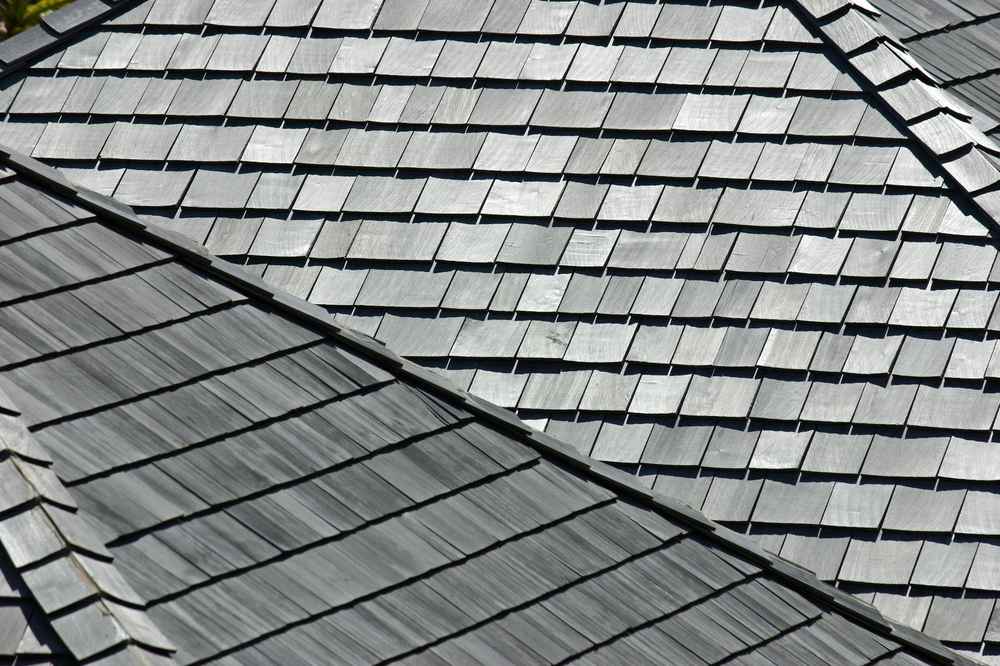
Slate Roofing Provides the Longest Lifespan of Any Common Roofing Material
Average lifespan: 75–100+ years
When discussing which roofing material truly lasts the longest, slate roofing almost always becomes part of the conversation. Natural slate can last generations when installed correctly, making it one of the most durable roofing materials available.
Natural Slate Resists Moisture, UV Damage, and Freeze-Thaw Stress
Slate resists:
- Moisture absorption
- UV breakdown
- Freeze/thaw stress
- Fire and weather damage
This durability makes slate roofing attractive for homeowners focused on maximum longevity and long-term property value.
Slate Roofing Requires Specialized Installation and Structural Support
Slate is also one of the heaviest roofing materials available. Structural reinforcement may be required before installation. Installation expertise matters heavily as well because improper flashing or underlayment details can shorten the lifespan of even premium slate systems.
A slate roof is often less about minimizing short-term cost and more about creating long-term stability for the home itself.
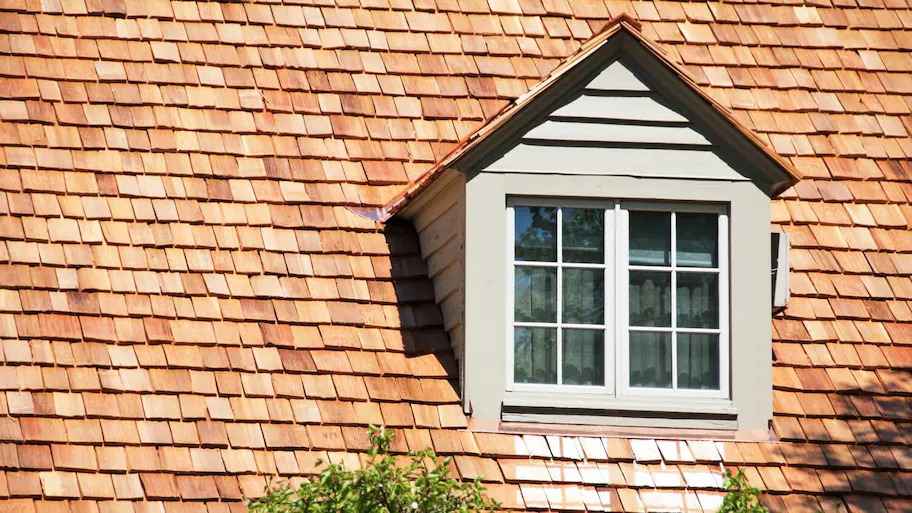
Cedar Shake Roofing Offers Natural Character but Requires More Upkeep
Average lifespan: 20–40 years
A cedar vs tile roofing comparison often highlights a major difference between appearance and maintenance. Cedar shake roofing provides warmth and natural character that many homeowners appreciate, especially on traditional homes and rural properties.
Cedar Roofing Creates a Distinctive Traditional Appearance
Cedar roofing remains popular because it offers:
- Natural insulation benefits
- Distinct architectural appearance
- Strong curb appeal on certain home styles
Humidity and Moisture Exposure Can Shorten Cedar Roof Lifespan
In Pennsylvania’s humid climate, cedar roofing requires more maintenance than metal, slate, or tile systems. Moisture exposure and poor ventilation can accelerate aging significantly.
This is one reason cedar roofing often enters conversations about roofing longevity differently. While cedar can last decades with proper care, neglected systems tend to deteriorate much faster than slate or metal roofs.
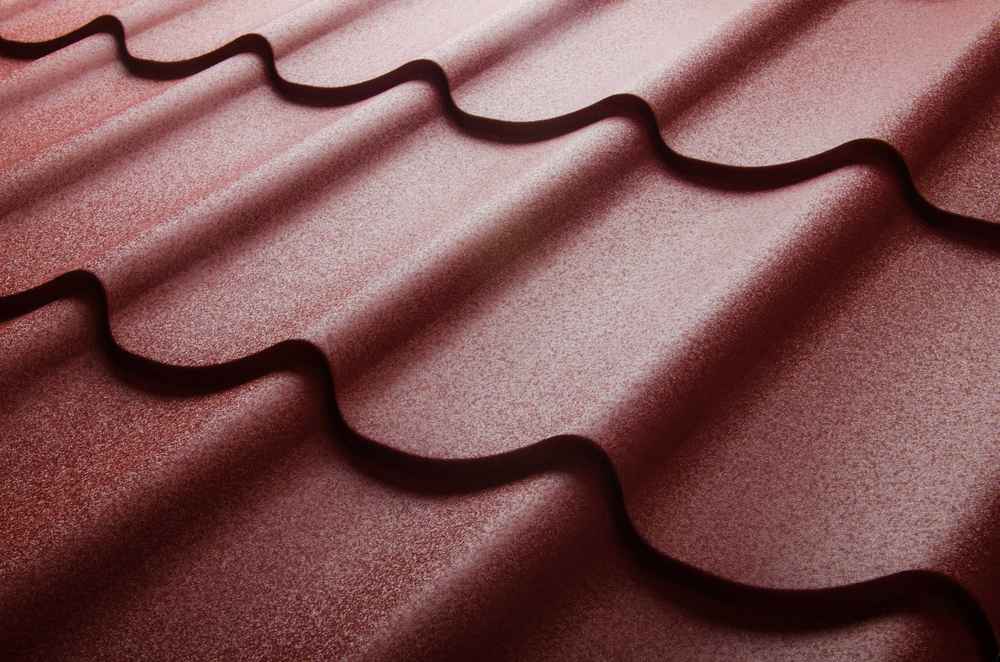
Tile Roofing Combines Long Lifespan with Strong Weather Resistance
Average lifespan: 50–75 years
Tile roofing is known for impressive durability and energy efficiency. While traditional clay tile is less common in this region, synthetic and lightweight tile systems are becoming more popular among homeowners focused on longevity.
Tile Roofing Handles UV Exposure and Storm Conditions Well
Tile roofing resists:
- UV exposure
- Moisture damage
- Wind and storm stress
This makes tile roofing a strong option for homeowners thinking long-term.
Tile Roofing Performance Depends on Proper Structural Compatibility
Like slate roofing, tile systems are heavy. Structural compatibility matters before installation begins. Installation precision matters heavily too because improper fastening or support details can affect long-term performance.
When homeowners compare cedar vs tile roofing, tile usually provides longer lifespan with lower maintenance requirements.
Long-Term Roofing Value Depends on More Than Initial Installation Cost
The roofing material with the longest lifespan is not always the lowest-cost option upfront. Long-term value comes from balancing lifespan, maintenance, and future repair costs.
Slate Roofing Often Delivers Multi-Generation Longevity
Slate often has the highest installation cost, but it may outlast multiple lower-cost roofing systems over time.
Metal Roofing Provides Strong Long-Term Return on Investment
Metal roofing offers strong return on investment through:
- Long lifespan
- Lower maintenance needs
- Improved energy efficiency
Cedar Roofing May Require More Lifetime Maintenance Investment
Cedar roofing may require more maintenance investment over time, especially in humid climates where moisture management becomes important.
Tile Roofing Longevity Can Offset Higher Structural Costs
Tile systems offer excellent longevity, but structural reinforcement can increase project cost initially.
This is why choosing the longest lasting roofing material for homes becomes a personal decision rather than a universal answer.
Different Roofing Materials Support Different Long-Term Goals
The roof that lasts the longest may not always be the best fit for every homeowner.
Slate Roofing Is Best for Maximum Lifespan
Slate roofing provides the longest lifespan and can perform for generations when installed properly.
Metal Roofing Often Provides the Best Balance of Durability and Value
Metal roofing often provides the best balance between durability, maintenance, and long-term value.
Cedar Roofing Prioritizes Natural Appearance and Architectural Character
Cedar roofing offers warmth and architectural character that many homeowners value.
Metal and Tile Roofing Systems Improve Energy Efficiency
Metal and tile roofing both support energy efficiency by reducing heat absorption.
Metal and Slate Roofing Typically Require Less Maintenance
Metal and slate systems generally require less ongoing maintenance than cedar roofing.
This is why roofing decisions work best when they are approached as long-term planning conversations rather than quick product comparisons.
Poor Installation and Moisture Problems Often Shorten Roof Lifespan Early
Even the longest lasting roofing material for homes can fail prematurely when important details are overlooked.
Poor Ventilation Accelerates Roofing Material Aging
Without proper attic ventilation:
- Heat becomes trapped during summer
- Moisture accumulates during winter
- Roofing materials age faster
Improper Flashing Installation Creates Common Leak Points
Many roofing leaks begin around valleys, chimneys, and penetrations where flashing details were installed incorrectly.
Low-Quality Installation Can Reduce Roofing Lifespan Dramatically
Specialty roofing systems require specialized expertise. Mistakes during installation can shorten lifespan dramatically.
Deferred Maintenance Allows Small Roofing Problems to Grow
Small issues become expensive problems when repairs are delayed or ignored.
Untreated Storm Damage Weakens Roofing Systems Over Time
Wind, hail, and moisture intrusion can weaken roofing systems over time if damage is not addressed quickly.
This is one reason installation quality matters so much in every roofing durability comparison. Roofing materials only perform as well as the craftsmanship supporting them.
Long-Term Roofing Performance Depends on the Entire Roofing System
Material choice matters, but long-term roofing performance is shaped by the entire roofing system working together.
Proper Installation Has a Direct Impact on Roofing Longevity
Improper flashing, rushed workmanship, or poor ventilation can shorten the life of even premium roofing systems. Long-term performance starts with proper installation.
Moisture Control and Ventilation Protect Roofing Materials Over Time
In humid Pennsylvania conditions, attic ventilation becomes critical for preventing:
- Condensation buildup
- Moisture damage
- Premature material aging
This affects cedar, slate, metal, and tile roofing systems differently, but it impacts all of them.
The Longest Lasting Roof Is Not Always the Right Roof for Every Home
Some homeowners prioritize:
- Lower maintenance
- Lower upfront investment
- Architectural appearance
- Energy efficiency
- How long they plan to stay in the home
The right roofing material depends on how those priorities fit together long-term.
Honest Guidance Helps Homeowners Make Better Long-Term Roofing Decisions
Choosing a roof isn’t just about installation day. It’s about how the system performs 20, 30, or even 50 years from now.
That’s why every estimate focuses on education, transparency, and long-term value instead of pressure or gimmicks. With over a decade of experience, GAF and Owens Corning certifications, and a 10-year workmanship warranty, the focus stays on helping homeowners choose roofing systems built to last.
For homeowners comparing additional roofing options, our guide on choosing a roofing material isn’t just about looks. It’s about longevity provides more insight into how long-term roofing value works across different systems.
Lancaster, PA Roofing Questions About Which Roofing Materials Last the Longest
When homeowners compare metal, slate, cedar, and tile roofing, most questions come back to durability, maintenance, and long-term value. These are some of the most common questions homeowners ask when deciding which roofing material truly lasts the longest for their home and climate.